
Orthopaedic Physiotherapy & Rehabilitation

Orthopaedic Physiotherapy and Rehabilitation
At London Harley Street Practice, our physiotherapy service provides personalised assessment, treatment and rehabilitation for a wide range of orthopaedic conditions and injuries. We support recovery following injury, surgery and joint problems, helping to reduce pain, restore movement and strength, and improve physical function.
We can support patients with:
Fractures and injuries
Hip, knee, shoulder and other joint replacements
Joint dislocations
Ligament and soft tissue injuries
Osteoarthritis and rheumatoid arthritis
Spinal conditions, including scoliosis, kyphosis and lordosis
Osteoporosis and osteopenia
Sports and exercise-related injuries
Joint deformities and movement difficulties
Comprehensive Assessment
Your rehabilitation begins with a detailed assessment of your movement, strength, flexibility, balance and functional ability. Your physiotherapist will consider your medical history, current symptoms and treatment goals before developing an individualised rehabilitation programme.
Personalised Treatment
Your treatment will be tailored to your condition, stage of recovery and individual goals. Depending on your needs, this may include:
Manual Therapy
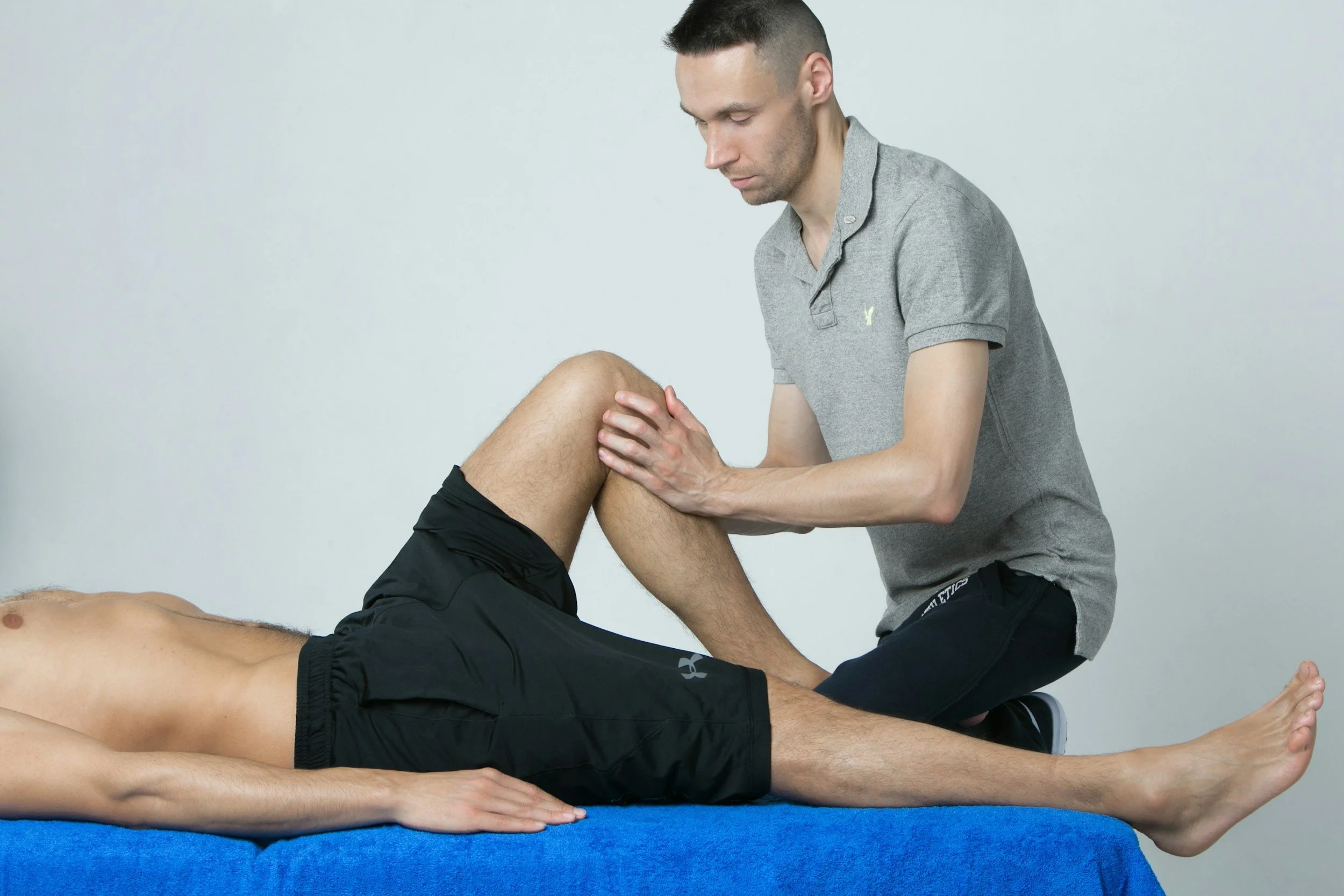
Hands-on techniques may be used to improve joint and soft tissue mobility, reduce discomfort and support movement.
Pain Management
Appropriate pain-management techniques may be incorporated into your rehabilitation to help reduce discomfort and improve your ability to move and exercise.
Exercise Therapy
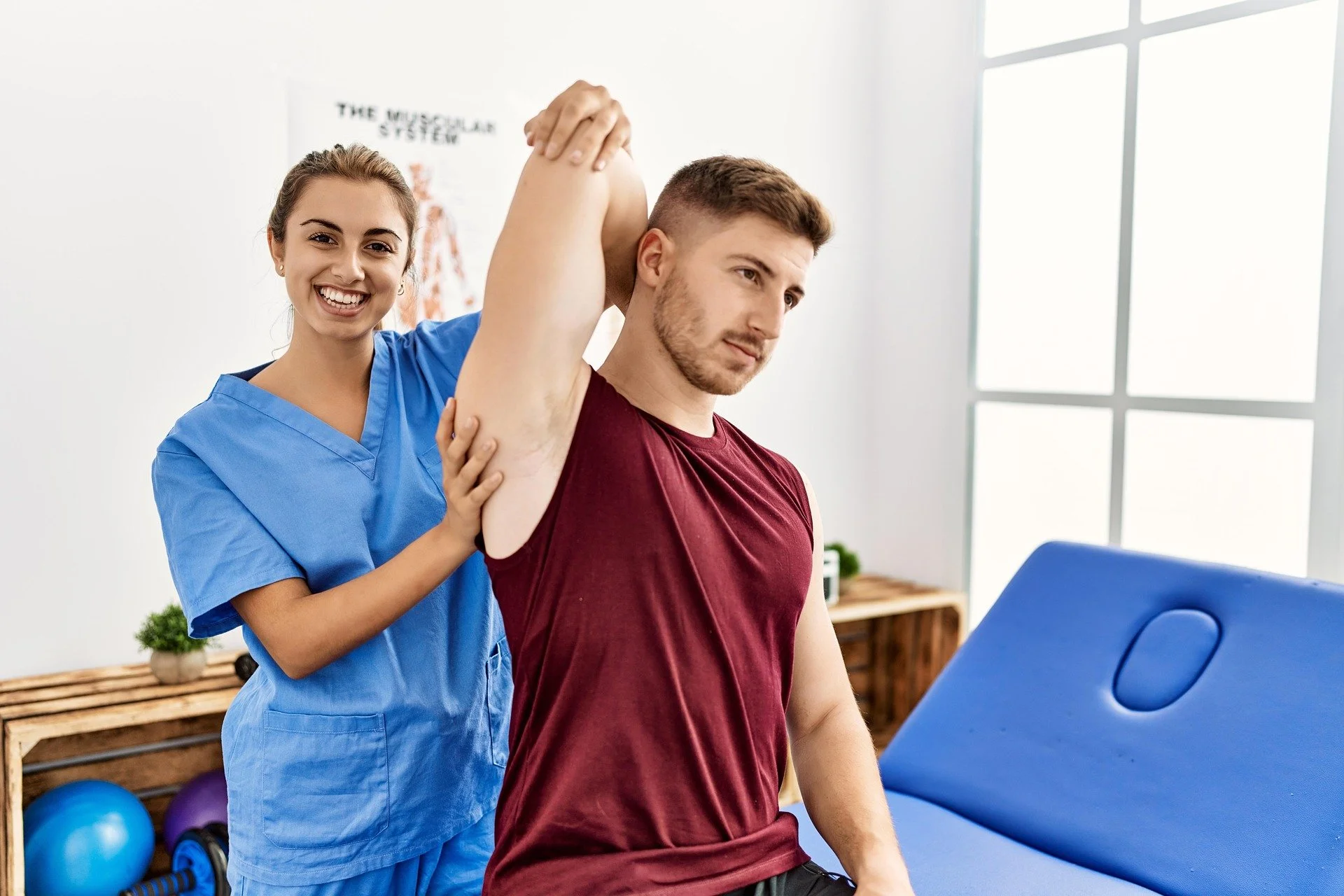
Progressive strengthening, mobility, flexibility and functional exercises help rebuild strength, restore joint movement and improve physical function. Exercises are adapted and progressed as your recovery develops.
Scar Management
Following surgery or injury, appropriate scar management techniques may help improve tissue mobility, flexibility and movement around the affected area.
Gait and Mobility Rehabilitation
We provide guidance on walking technique and the safe use of mobility aids following injury or surgery. Rehabilitation can help improve balance, coordination, strength and walking ability.
Supporting Recovery After Joint Replacement
Physiotherapy can form an important part of rehabilitation following hip, knee, shoulder and other joint replacement surgery. Treatment may focus on restoring movement, rebuilding strength, improving mobility and gradually returning to everyday activities.
Education and Self-Management
Understanding your condition and knowing how to manage it can support long-term recovery. We provide practical advice, home exercises and guidance on safe movement and activity to help you maintain progress between appointments.
Collaborative Care
Where appropriate, we can work alongside other healthcare professionals involved in your care. If further assessment or specialist input is required, we can advise on appropriate referral to relevant healthcare professionals.

Contact Us
Send us your request for an appointment or simply phone us up directly to book your appointment on 0207 127 6563.
FAQs
-
Our service is lead by Mrs Dhwani Shah, who has over 20 years of combined experience across both the NHS and private sector,. She brings deep expertise, genuine compassion, and a strong commitment to personalised care.
Our dedicated team consists of highly skilled, HCPC-registered physiotherapists, all of whom are members of the Chartered Society of Physiotherapy. Every therapist is DBS-checked and fully insured with professional liability cover—giving you peace of mind that you’re in safe, trusted hands.
-
Physiotherapy is a healthcare profession that helps people restore movement, strength and function following injury, illness, surgery or conditions affecting the muscles, joints, nerves and movement system. Treatment is tailored to each patient and may include hands-on therapy, therapeutic exercises, movement and mobility work, rehabilitation programmes and advice on managing pain and preventing further problems.
Physiotherapy can help with a wide range of conditions, including back and neck pain, sports injuries, joint problems, muscle strains, post-surgical recovery, neurological conditions and mobility difficulties. The aim is not only to relieve symptoms, but also to improve movement, build strength and support a return to normal daily activities.
-
Physiotherapy can help with a wide range of problems affecting movement and function, including back and neck pain, sports injuries, muscle strains, joint conditions, arthritis, mobility problems and recovery following surgery. It can also support rehabilitation for neurological and other long-term conditions.
-
Your physiotherapist will begin with an assessment of your symptoms, movement, strength and function. They will discuss your goals and develop a personalised treatment plan. Treatment may include hands-on therapy, therapeutic exercises, rehabilitation and practical advice.
-
No. You can usually book a private physiotherapy appointment directly without a GP or consultant referral. If your physiotherapist identifies a problem that requires further medical assessment, they can advise you accordingly. They can also naturally liaise with our own dedicated medical team to discuss this further with you.
-
This depends on your condition, its severity and your individual goals. Some problems may improve after a small number of sessions, while more complex or long-standing conditions may require a longer rehabilitation programme. Your physiotherapist will discuss this with you following your initial assessment.
-
Comfortable, loose-fitting clothing that allows the affected area to be examined and moved is recommended. For lower-limb or sports-related problems, shorts or comfortable sportswear may be particularly useful.
-
Some treatments or exercises may cause mild temporary discomfort, particularly when working with a painful or restricted area, but treatment should be appropriate to your condition and tolerance. Your physiotherapist will discuss this with you and adapt treatment as necessary.
-
Yes. Physiotherapy can help improve strength, balance, coordination, mobility and confidence with movement. This can be particularly beneficial for people recovering from illness or injury or experiencing age-related changes in mobility.
-
Your physiotherapist may recommend exercises or activities to continue between appointments. Following your personalised programme can support recovery and help maintain improvements made during treatment.
-
Yes we do provide such a service. Experience personalised physiotherapy care in the comfort of your own home. Book a session via the appointments box above.
Home visits are limited to London and are at the discretion of the visiting physiotherapist.
Please phone us to confirm your booking.
-
Initial consultation costs £125 and will be 45 minutes in duration.
Follow up consultations are £80 and last 30 minutes.
We also offer a block booking follow up approach with a discount of the following percentages:
3-5 sessions at 10% discount
6-10 sessions at 15% discount.
So for example if you booked 4 sessions, the total without discount = 4 x £80 = £320, plus the 10% discount, the total payable is £320 - £32 = £288
-
Yes but this will need to be agreed with by your health insurance company and a guarantee of payment sent to us prior to any treatment or booking.