

TruCheck™
What is TruCheck™
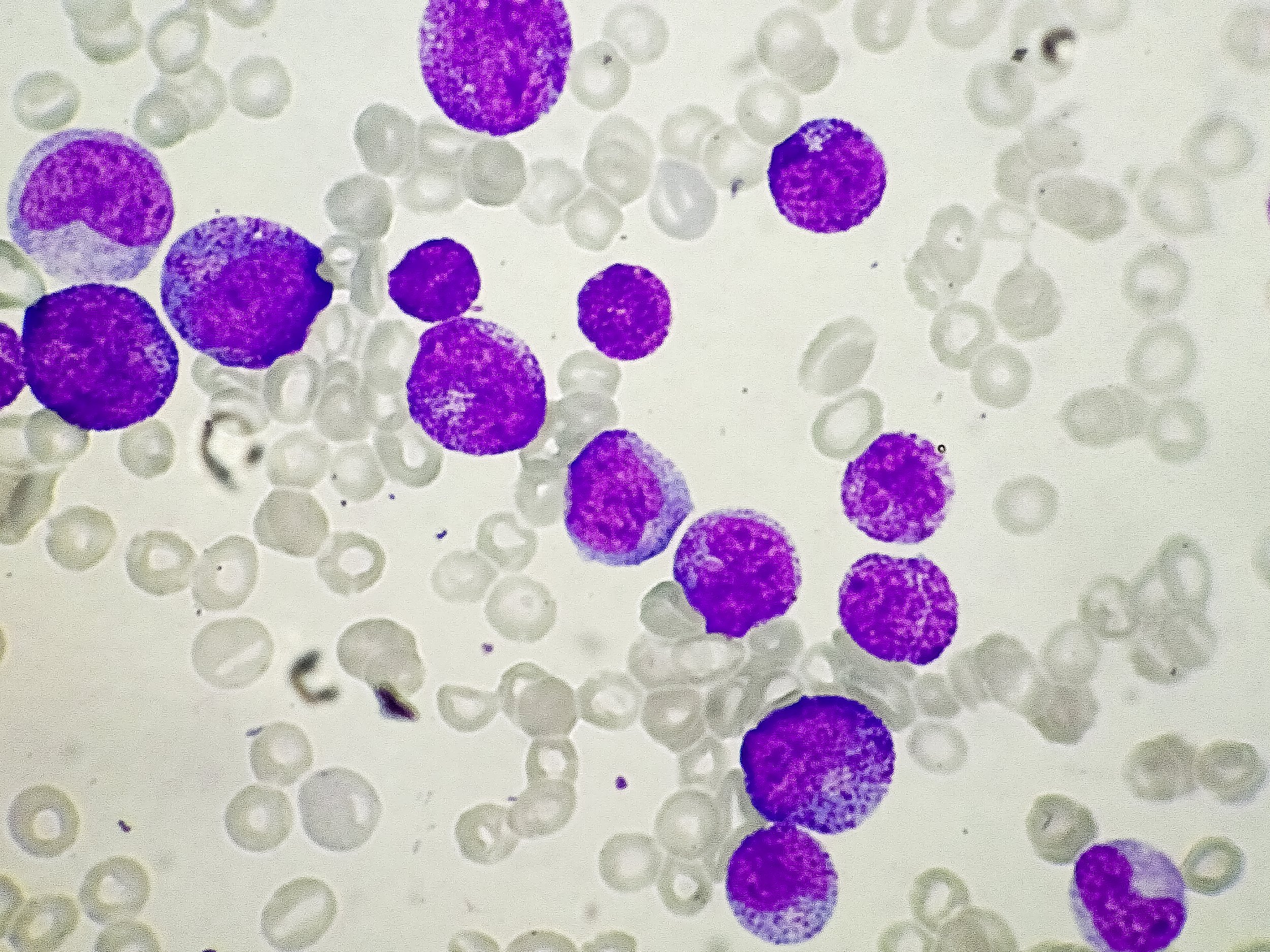
Circulating Tumour Cells (CTCs) are cancer cells that shed from tumours into the bloodstream, playing a crucial role in cancer metastasis. Their detection offers a non-invasive method to monitor cancer progression, assess treatment efficacy, and predict metastasis.
TruCheck™ is an advanced blood test that detects Circulating Tumor Cells (CTCs), which may indicate higher risk of presence of solid organ cancers. This screening tool is recommended for asymptomatic individuals aged 40 and older, supporting earlier risk identification before clinical symptoms appear.
It is important to note that the test is a screening tool, and NOT a diagnostic test. A positive result does not confirm a cancer diagnosis but indicates higher risk and the need for further evaluation.
This can be booked as a stand-alone test or as an add on to any health check. Please ensure that you are eligible, please see below for further information.
The stand alone test is available as a 30 min consultation on the appointments booking page. The cost is £1250.
The test is also available as part of a cancer health check, more information is available here.

TruCheck™ - Advantages
-

Peace of Mind
Cancer screening test for peace of mind
-

No Wait Times
No wait times for appointments
-

Non-Invasive
Non-invasive and can be done without visiting a hospital or a screening centre
-

70 Solid Organ Cancers
Cost-effective, provides screening for 70 solid organ cancers
-

Just A Blood Test
No risks associated with invasive procedures
-

Avoid Unnecessary Procedures
Helps avoid procedures that may be retrospectively found unnecessary
What types of cancer can TruCheck™ detect?
-
Melanoma
-
Prostate
-
Head and Neck
-
Salivary Gland
-
Lung
-
Gynaecological
-
Breast
-
Liver
-
Biliary Tract
-
Gastrointestinal
-
Soft Tissue
-
Mesothelioma
-
Central Nervous System
-
Urinary Tract
-
Adrenal
-
Osteosarcomas
Full list of cancers
This test can detect a variety of types solid organ cancers listed below which can affect various organs. Click on each one to reveal more information.
-
Bile Duct, Breast, Colon, Duodenum, Oesophagogastric Junction, Oesophagus, Gall Bladder, Ileum, Jejunum, Liver, Lung, Ovary, Pancreas, Prostate, Rectum, Stomach, Thyroid, Uterus, Salivary Duct, Kidney, Cervix.
-
Esophagus, Gall Bladder, Lung, Cervix.
-
Astrocytoma, Glioblastoma, Oligodendroglioma.
-
Colon, Duodenum, Ileum, Jejunum, Rectum, Stomach.
-
Cutaneous, Mucosal.
-
Pleural, Peritoneal
-
Adrenal, Colon, Duodenum, Oesophagus, Ileum, Jejunum, Lung, Pancreas, Prostate, Rectum, Thymus, Appendix.
-
Anorectum, Buccal Mucosa, Cervix, Oesophagus, Hard Palate, Larynx, Lip, Lung, Oral Cavity, Paranasal Sinuses, Penis, Pharynx, Pyriform Fossa, Retromolar Trigone, Skin, Soft palate, Tongue, Tonsil, Vulva, Vagina.
-
Urinary Bladder, Renal Pelvis, Ureter.

What to expect
Comprehensive Screening
Multi-cancer early detection tests aim to screen for a variety of cancers simultaneously. These tests may analyse blood samples for specific markers associated with different types of cancer.
Potential Early Detection
The primary goal is to identify cancers at an early stage when they may be more treatable. Detecting cancers early can increase the chances of successful treatment and improve overall outcomes.
Minimally Invasive
Many multi-cancer tests are minimally invasive and involve a simple blood draw. This contrasts with traditional cancer screening methods that may be more invasive, such as colonoscopies or mammograms.
Convenience
Compared to undergoing separate screenings for various types of cancer, a multi-cancer early detection test offers the convenience of a single test for multiple cancers.
What not to expect
Perfect Accuracy
While these tests have shown promise, they are not perfect. False positives and false negatives can occur. Follow-up diagnostic tests are often necessary to confirm results and rule out false positives.
Complete Replacement for Traditional Screenings
Multi-cancer tests are not intended to replace traditional cancer screenings, such as mammograms, colonoscopies, or Pap smears. Rather, they may complement existing screening methods.
Diagnosis Without Confirmation
Positive results from a multi-cancer test do not provide a definitive diagnosis. Further diagnostic procedures, such as imaging studies or biopsies, are typically required to confirm the presence of cancer.
Elimination of Other Risk Factors
Multi-cancer tests do not eliminate the importance of managing other risk factors for cancer, such as lifestyle factors (e.g., smoking, diet, physical activity) and regular screenings for specific types of cancer with established screening protocols.
Universal Applicability
Not all multi-cancer tests are suitable for everyone. Their utility may vary based on factors such as age, family history, and individual health risks. The TruCheck™ is generally only available for those above the age of 40 years with no previous or ongoing history of cancer. It is available for those between the ages of 35 - 40 years if there is a risk of cancer. Please call us to book a free consultation to ensure that the TruCheck™ is appropriate for you. Please do not book any appointment if you are under the age of 35 years of age.
Possible Test Outcomes
-
A Positive Result of Circulating Tumor Cells (CTCs) Detected
CTCs indicative of TruCheck™ positivity have been detected in the given blood sample which is suggestive of higher risk of presence of cancer. The test will be able to indicate the likely organ of origin and malignancy type. Individuals with positive findings will be counselled by our team. We would advise further diagnostic tests be carried out to investigate these findings further. The results will be interpreted in the context of the individual’s clinical risk factors.
-
A Negative Result with Circulating Tumor Cells (CTCs) Not Detected
Circulating Tumor Cells (CTCs), indicative of TruCheck™ positivity were not detected in the given sample. This therefore suggests that there is a lower risk of the presence of cancer. However, no test is perfect and a negative TruCheck™ report does not completely exclude the possibility of cancer as some cancers may not shed detectable tumor cells in the blood.

Understanding Sensitivity and Specificity of Tests
Sensitivity (True Positive Rate)
Sensitivity is the ability of a test to correctly identify individuals who have the disease. A high sensitivity means that the test is good at correctly identifying true positive cases.
Specificity (True Negative Rate)
Specificity is the ability of a test to correctly identify individuals who do not have the disease. A high specificity means that the test is good at correctly identifying true negative cases.
Test Performance of TruCheck™
Sensitivity (True Positive Rate)
This is the ability of the test to correctly identify patients with cancer. TruCheck™ has shown an overall sensitivity of 88.24% (ranges from 65-89%) for detection and localisation of solid organ malignancies, meaning that for every 100 patients tested who have cancer, it will correctly identify 88 of those patients, resulting in a 12% false negative rate (i.e. 12 out of 100 will be told they do not have cancer but actually do have it)
Specificity (True Negative Rate)
The ability of the test to correctly identify people without cancer. TruCheck™ has an overall specificity of 96.3% (ranges from 96-99%) - meaning that for every 100 people tested, that do not have cancer, TruCheck™ will correctly identify 96 of these individuals, resulting in a 4% false positive rate (i.e. 4 out of 100 will be told they do have the cancer but actually do not have it).
FAQ
-
No. Your healthcare provider can advise if TruCheck™ is suitable for you to use alongside standard of care screening.
-
Yes. A healthcare provider must approve and prescribe a TruCheck™ test for you
-
No. In these circumstances, you should seek urgent medical advice. TruCheck™ is for healthy, asymptomatic individuals.
-
These are carried out in the clinic either as part of the Cancer Health Check, or ass an addition to other health checks. If it is an addition the price of this is £950. If you would like it carried out at home then please contact us. The restrictions to home visits apply. It will not be carried out by our out of hours service.
-
You take the test on a yearly basis as an annual cancer check test.
-
TruCheck™ can help people without any symptoms, who have a higher cancer risk, due to family history. The TruCheck™ is generally only available for those above the age of 40 years with no previous or ongoing history of cancer. It is available for those between the ages of 35 - 40 years if there is a risk of cancer. Please call us to book a free consultation to ensure that the TruCheck™ is appropriate for you. Please do not book any appointment if you are under the age of 35 years of age. If you need further advice please contact us to discuss this.
-
The test may in some cases, produce false positive / false negative results due to biological and analytical variations.
Only solid cancers are checked with TruCheck™. TruCheck™ cannot detect blood or lymphatic system cancers because CTCs are associated with solid organ malignancies.
How to book your appointment
Step One
Choose the required service by first clicking on the box “Choose an appointment type”and then scrolling to “Telephone consultation: TruCheck™ Cancer Screen”. After discussing with the doctor you can opt either for the TruCheck™ blood test alone or the Cancer Health Check which includes this.
Step Two
Select a date and time that works for you.
Step Three
Fill in the form below with your full details.
By giving us a call or booking online you are able to see/talk with an experienced doctor at your convenience without having to join any queues found at other walk-in clinics.