

Cardiovascular risk
Cardiovascular risk blood profile
£574Laboratory fee from Semble; blood draw charged separately
Online booking is always open
Book online nowTime for all your questions.
Same or next day · live times from our diary
What it will cost
Included: everything listed on this page for £574, with your doctor’s explanation in plain English.
Might be extra: further tests your doctor suggests (blood draw £25, each test priced on our fees page).
We will always tell you before anything is added.
Every price publishedAt a glance
Your test, at a glance
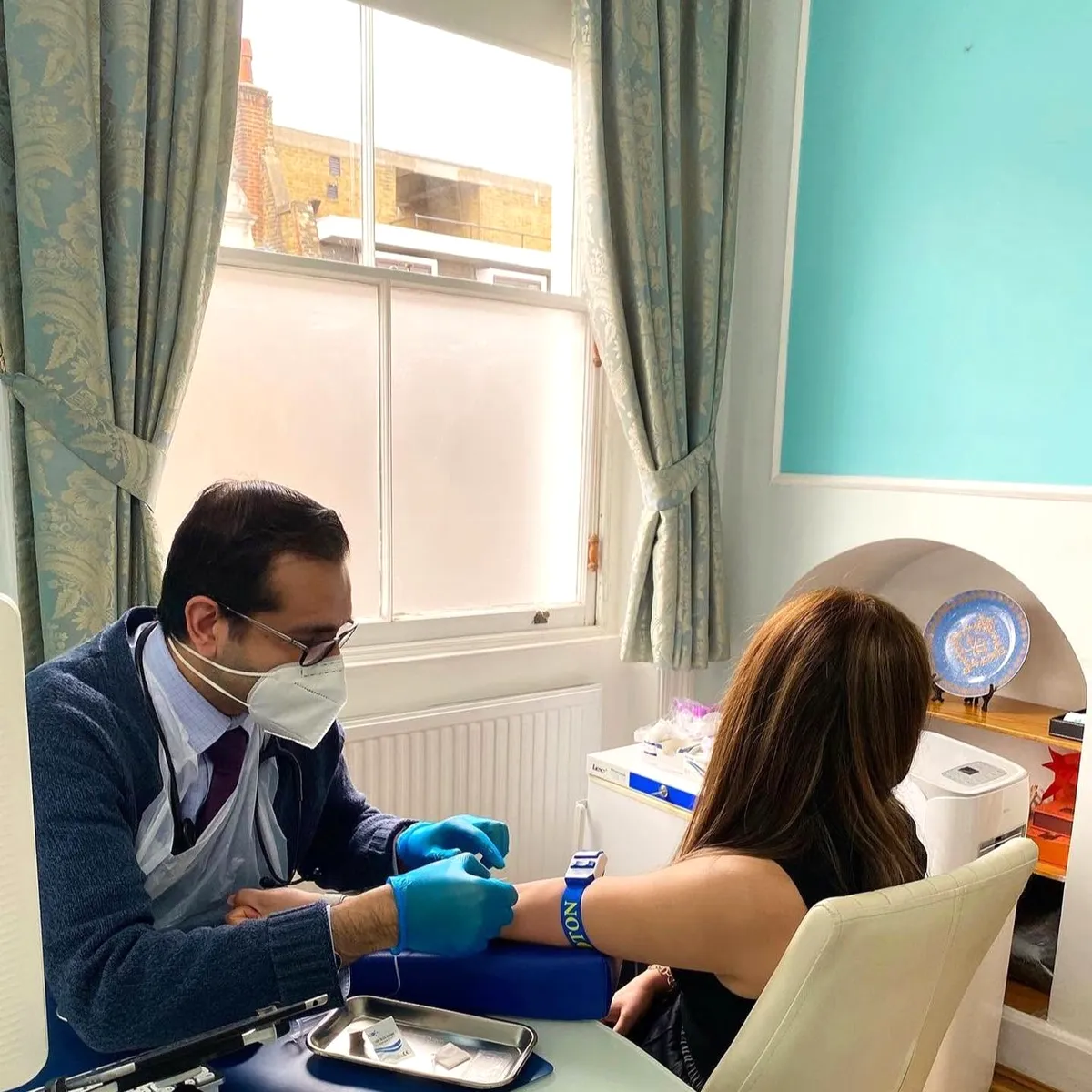
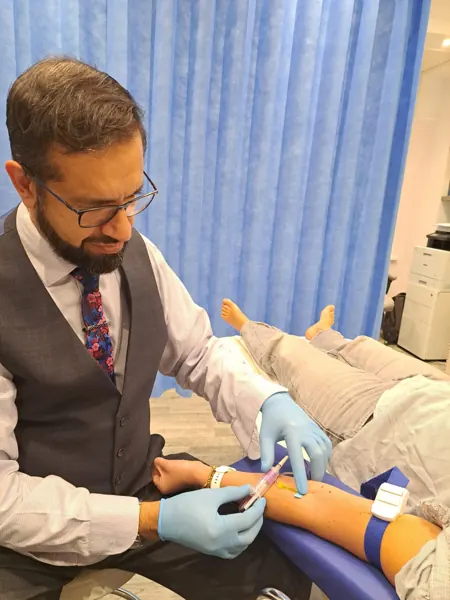
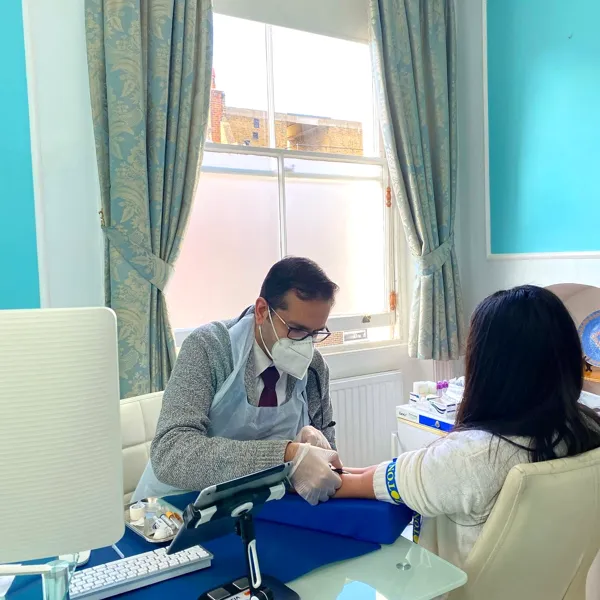
A cardiovascular risk blood profile measures cholesterol, lipoproteins and markers linked with inflammation and cardiovascular risk. It may suit people reviewing raised cholesterol or a family history of heart disease. A doctor or clinician takes your blood sample at 66 Harley Street. Results are usually available in three days.
- Laboratory fee from Semble; blood draw charged separately
- £574
- Laboratory fee from Semble; blood draw charged separately
- appointments, booked online in a minute
- Same or next day
- appointments, booked online in a minute
- 323 reviews on Google (4.9★) and Doctify (4.86★)
- 4.9★
- 323 reviews on Google (4.9★) and Doctify (4.86★)


- 4.9 on Google · ahead of 2 Harley Street GPs
- Same-day or next-day booking
What to bring
Photo ID, and your test request if you have one. Fast only if your test needs it; we tell you when you book.
How long it takes
Confirmed when you book, as it depends on what you need.
When results arrive
Usually 3 days from the laboratory. Your results arrive by secure email. If we are concerned, we phone you.
More than one thing to discuss?
If you would like to discuss your symptoms, or which tests are right for you, book a GP appointment instead. Your GP can arrange the right tests during the visit.
Key facts · How we compare
The facts, side by side.
| Fee | £574 |
|---|---|
| Results or report | Usually 3 days from the laboratory. Your results arrive by secure email. If we are concerned, we phone you. |
| Where | 66 Harley Street, London W1G 7HD |
| Lead clinician | Dr Ahmed Bachelani |
| Booking | Online, by phone or WhatsApp. Same-day or next-day booking is available. |
| Google rating | 4.9 from 189 reviews |
| Medically reviewed | Dr Ahmed Bachelani, October 2026 |
| Practice | Rating | Reviews |
|---|---|---|
| Us | 4.9 ★ | 189 |
| The London General Practice | 4.2 | 149 |
| The Harley Street General Practice | 3.9 | 14 |
Public Google listings, checked November 2026.
Members pay less
| Pay as you go | £574 |
|---|---|
| Priority member (5% off) | £545.3 |
| Apex member (10% off) | £516.6 |
What is included · How it works
What you get, and how it unfolds.
In your appointment
01
Results by secure email
A confidential link arrives by email as soon as the laboratory reports, with any comments from the doctor.
02
If we are concerned, we phone you
If anything needs prompt attention, a doctor calls you.
03
Fees explained first
Your test fee, plus £25 for taking the blood. A £40 deposit at booking comes off your bill.
How to book your blood test
 01
Not sure which test?
Email contact@londonhspractice.co.uk or WhatsApp us first. Please do not book until you are sure and happy with the cost.
 02
Choose your test and a time
Press Book next to the test. It is added to your booking for our team, then pick a day and time.
 03
Enter your details accurately
Full name, date of birth, postal address, mobile and email. Wrong details can delay your results.
 04
Paperwork: tick to agree in the form
The blood test disclaimer is part of the booking form. Read the key points and tick to agree. Nothing to print, sign or email later.
 05
Pay the deposit
Pay the £40 deposit. A confirmation email follows, and a reminder 48 hours before.
 06
Come to 66 Harley Street
Pay the balance at reception: your test plus £25 for the blood draw. Our team then takes your blood.
 07
Results by secure email
Sent with any comments from the doctor. If we are concerned, we phone you. Please discuss your results with your doctor.
The details
What is measured, and why
01 · What it covers
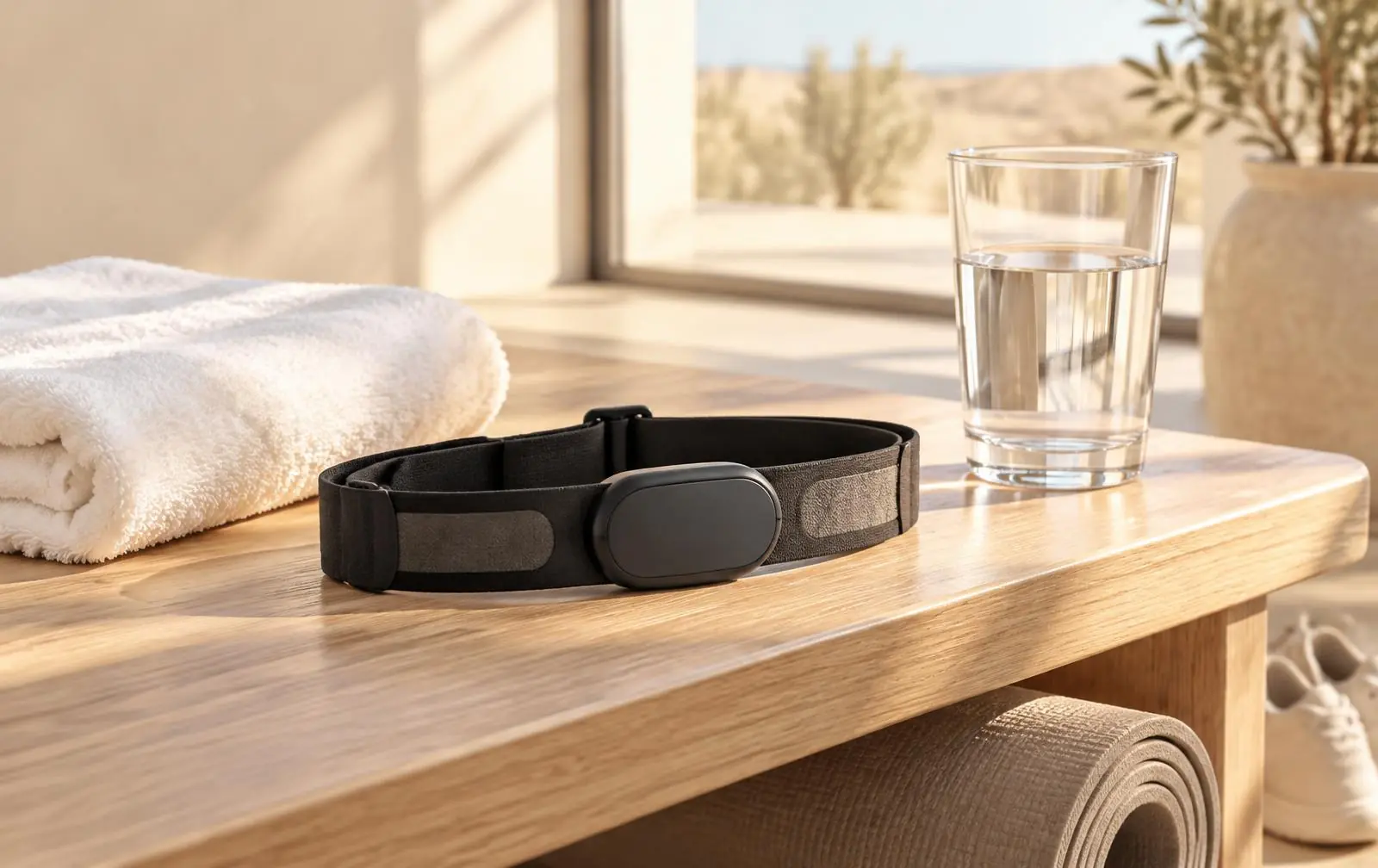
Understanding your heart risk in context
These profiles provide more detail than a standard cholesterol check.
Your GP considers the findings alongside blood pressure, smoking, diabetes and family history. Extra markers are not necessary for everyone. We can help you decide whether either profile would add useful information to your cardiovascular assessment.
A doctor or clinician takes your sample at London Harley Street Practice, 66 Harley Street, London W1G 7HD. Samples are analysed by The Doctors Laboratory, a short walk away. Results are usually available in three days. A GP can explain the findings and arrange appropriate follow-up.
Choosing between the two cardiovascular profiles
Cardiovascular Risk Profile 1 includes a lipid profile, ApoA1, ApoB, the ApoA/ApoB ratio and Lp(a).
It also measures high-sensitivity C-reactive protein, called hs-CRP, and lipoprotein-associated phospholipase A2, called Lp-PLA2. These markers describe different aspects of blood fats and inflammation. People often ask about this profile after raised cholesterol results or premature heart disease in their family. Your GP can assess whether these additional measurements would help.
Cardiovascular Risk Profile 2 contains every standard profile marker, plus fibrinogen and homocysteine. Fibrinogen is involved in blood clotting, while homocysteine is an amino acid linked with several health factors. A larger panel is not automatically more useful. Your GP can explain whether these additions are relevant to your history. Neither profile shows whether a coronary artery is narrowed or predicts exactly whether you will have a heart attack.
Lipid profile, ApoA1, ApoB and their ratio
A lipid profile measures blood fats, usually including total cholesterol, HDL cholesterol and triglycerides, with LDL cholesterol commonly calculated.
LDL carries cholesterol in particles that can contribute to fatty deposits within artery walls. HDL helps transport cholesterol back towards the liver. Triglycerides are another blood fat, influenced by meals, alcohol and metabolic health. People request these measurements to review previous cholesterol findings, family history or changes following lifestyle advice.
ApoB is a protein carried by particles that can contribute to artery disease, including LDL particles. Its level helps estimate the number of these particles, rather than just their cholesterol content. ApoA1 is the main protein in HDL particles. The reported ApoA/ApoB ratio compares these proteins, offering another perspective on their balance. These results need context: a favourable HDL or ApoA1 result does not cancel other cardiovascular risks, including smoking or high blood pressure.
What Lp(a) adds to your assessment
Lipoprotein(a), written Lp(a), is an LDL-like particle with an additional protein attached.
Its level is largely inherited and can add cardiovascular risk independently of standard cholesterol measurements. People often ask about Lp(a) when close relatives developed heart disease at a young age. It may also help explain risk that seems greater than routine cholesterol results suggest. A raised level gives your doctor information but does not establish that you have artery disease.
Lp(a) is generally more stable than many other blood markers, so frequent repeat measurements are often unnecessary. Lifestyle changes usually have limited effects on the Lp(a) level itself. However, not smoking, managing blood pressure and addressing other cholesterol markers remain important. Your GP may discuss whether relatives could benefit from assessment. Interpretation depends on the laboratory units and your wider risk factors, rather than comparing your number with an unrelated online result.
Understanding hs-CRP and Lp-PLA2
High-sensitivity CRP measures small amounts of C-reactive protein, a protein produced by the liver during inflammation.
Persistently raised levels can suggest increased cardiovascular risk in some settings. However, a cold, another infection, injury or inflammatory condition can also raise the result. This makes testing during illness less useful for cardiovascular assessment. Tell your clinician if you feel unwell, have recently recovered from infection, or have a condition causing ongoing inflammation.
Lp-PLA2 is an enzyme carried mainly on lipoprotein particles and associated with inflammatory processes in artery walls. Its measurement may provide additional information, but it is not a direct picture of your arteries. Its role in routine risk assessment is less established than standard cholesterol measurements and blood pressure. Neither inflammation marker identifies the location or severity of artery disease. An unexpected result may prompt reassessment or repeat testing rather than an immediate treatment decision.
Fibrinogen and homocysteine in the extended profile
Fibrinogen is a protein made by the liver that helps form blood clots.
It also rises as part of the body's response to inflammation. Higher levels can be associated with cardiovascular risk, but infection, smoking and other factors affect the measurement. A raised result does not establish that you have a blood clot. If clotting symptoms are present, they need a separate clinical assessment rather than reliance on this profile.
Homocysteine is an amino acid produced when your body processes methionine, a building block of protein. Its level is influenced by folate, vitamin B12, kidney function, inherited factors and some medicines. Raised homocysteine may point to issues worth investigating, rather than a single cardiovascular cause. Lowering the number with supplements does not necessarily lower heart attack risk. Your GP may recommend targeted assessment before discussing supplements or other next steps.
02 · Before and on the day
Preparation, interpretation and follow-up
Ask for preparation instructions when booking, as the appropriate fasting advice depends on the profile and clinical circumstances.
Routine lipid testing often does not require fasting, but meals can affect triglycerides and homocysteine assessment may need fasting. If fasting is requested, follow the instructions provided and ask about drinking water. Tell us about medicines and supplements, including biotin and B vitamins. Do not stop prescribed medicines or supplements without advice.
There is no routine menstrual cycle day requirement for these profiles. Morning sampling may be convenient if fasting is requested; follow any timing instructions provided. Your GP can review results alongside symptoms, blood pressure, medical history and previous measurements. Normal results do not exclude cardiovascular disease, while raised markers do not establish it. Follow-up may include lifestyle advice, repeat measurements or further assessment. Your doctor may discuss treatment based on your overall risk.
- Mention recent infection or inflammatory illness
- Share previous cholesterol results if available
- Tell us about early heart disease in relatives
- Call 999 for chest pain with breathlessness, sweating or pain spreading to your arm or jaw.
Fees
Prices, in full. Book any time.
Also part of your visit
- Phlebotomy (blood draw)Members from £22.50 · Learn more£25
Charged once per visit, whichever tests you choose. Members pay less: learn more · Paying with insurance
Tests and fees · 2 to choose from
Every test below books online, with live times. Press Book on one, or tick several and book them together.
Cardiovascular Risk Profile 1
3 days · £644 · members £579.60
Cardiovascular Risk Profile 2
3 days · £574 · members £516.60
| Choose | Test | Results in | Fee | Book |
|---|---|---|---|---|
| Cardiovascular Risk Profile 1Includes: Lipid profile, ApoA1, ApoB, ApoA/ApoB ratio, Lp(a), hs-CRP, Lp-PLA2 | 3 days | £644Members £579.60 | ||
| Cardiovascular Risk Profile 2Includes: As PP10 plus fibrinogen and homocysteine | 3 days | £574Members £516.60 |
Fees cover the laboratory test; the blood draw appointment is charged once per visit. Results times are typical once the sample reaches the laboratory.
Your clinicians
Who reads your results

Dr Ahmed Bachelani
Founder, GP and managing director
Dr Ahmed leads
- Private GP
- Health checks
- Visa medicals
- Home and hotel visits
- Occupational health
MRCP · MRCGP · DOccMed
Dr Bachelani founded the practice in 2012 and is its CQC registered manager. He trained in immunopathology and medicine, then as a physician and a GP.

Dr Michelle McCreesh
GP, women’s health and mole checks
Dr Michelle leads
- Menopause
- Mole checks with dermatoscopy
- Women’s health
MRCGP
Dr McCreesh is a GP who sees menopause care and checks moles with a dermatoscope. She is in on Fridays.

Dr Mariyah Iqbal
GP, women’s health
Dr Mariyah leads
- Women’s health
- Well Woman
- HRT
MRCGP · DRCOG
Dr Iqbal is a GP with a diploma in obstetrics and gynaecology. She sees women’s health and Well Woman checks on Thursdays.
Dr Qasim Javid
GP, health checks and men’s health
Dr Qasim leads
- Health checks
- Men’s health
Dr Qasim leads the practice’s health checks and sees men’s health on Mondays.
Patients say
In their own words.
Ready when you are
Book your test
Cardiovascular risk · £574
Live times from our diary. Choose a time in under a minute.
Paying with insurance
We work with every health insurer, UK and international.
Bupa, AXA, Aviva, Vitality, Cigna and the rest. Choose insurance when you book and sign once.
Membership
Members pay less on most visits.
A monthly plan with your own practice. Member prices are shown next to every fee.
Asked often
Your questions, answered.
Search or browse. Still unsure? Ask reception.
8 questions
01What is the difference between the two cardiovascular risk profiles?
The first profile includes lipids, ApoA1, ApoB, the ApoA/ApoB ratio, Lp(a), hs-CRP and Lp-PLA2. The extended profile adds fibrinogen and homocysteine. Both usually provide results in three days. Your GP can help assess whether the additional markers are useful.
02Do I need to fast before a cardiovascular risk blood profile?
Check before your appointment. Standard lipid testing often does not require fasting, but triglycerides and homocysteine can be affected by food. Your preparation instructions should reflect the selected profile and your clinical circumstances. Do not change prescribed medicines without advice.
03Can these blood tests show blocked arteries?
No. These profiles measure blood markers associated with cardiovascular risk, not blood flow or artery narrowing. Normal findings do not exclude heart disease. Symptoms or concerning history may require separate assessment and other investigations.
04Why check ApoB if I already know my cholesterol?
ApoB helps estimate the number of particles that can contribute to fatty deposits in arteries. LDL cholesterol describes the cholesterol carried within LDL particles. These measurements sometimes give different impressions of risk, particularly when triglycerides are raised. Your GP can interpret them together.
05Should I have an Lp(a) test if heart disease runs in my family?
It may be useful, particularly when close relatives developed cardiovascular disease unusually young. Lp(a) is largely inherited and may add risk beyond standard cholesterol findings. Your GP can consider your family history and whether testing would change your management.
06Can a cold affect my cardiovascular blood test results?
Yes. Infection can raise hs-CRP and fibrinogen, making them harder to interpret for cardiovascular risk. Tell us about current symptoms or recent illness before sampling. Your clinician may suggest postponing testing or repeating affected measurements after recovery.
07What happens if my cardiovascular risk markers are raised?
A GP can review which markers are raised and consider possible temporary influences. Next steps may include repeat testing, lifestyle advice or further assessment. Your doctor may discuss treatment where appropriate. Decisions depend on your overall cardiovascular risk, not one isolated number.
08Should I see a GP instead?
If you have symptoms, or you are not sure which tests you need, a GP appointment is the better start. Your GP listens, examines you if needed and arranges the right tests. A standard GP appointment is £175.
Keep exploring
Read, then choose your next step.
Guides



Rather talk it through with a doctor first?
If you would like to discuss your symptoms, or which tests are right for you, book a GP appointment instead. Your GP can arrange the right tests during the visit.
You may also need

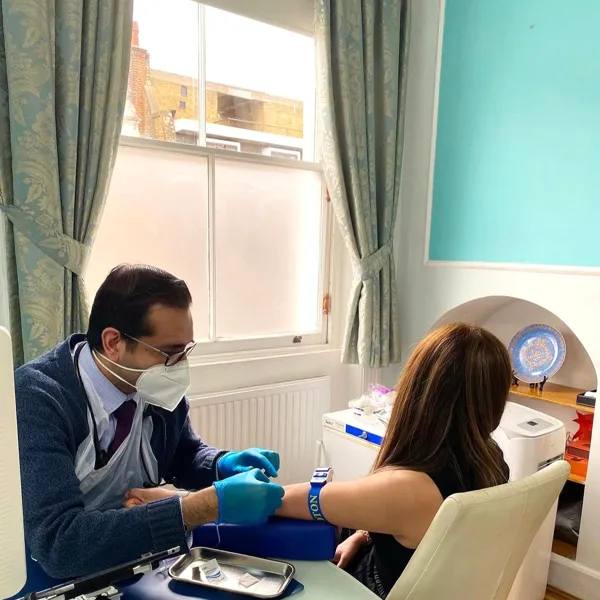
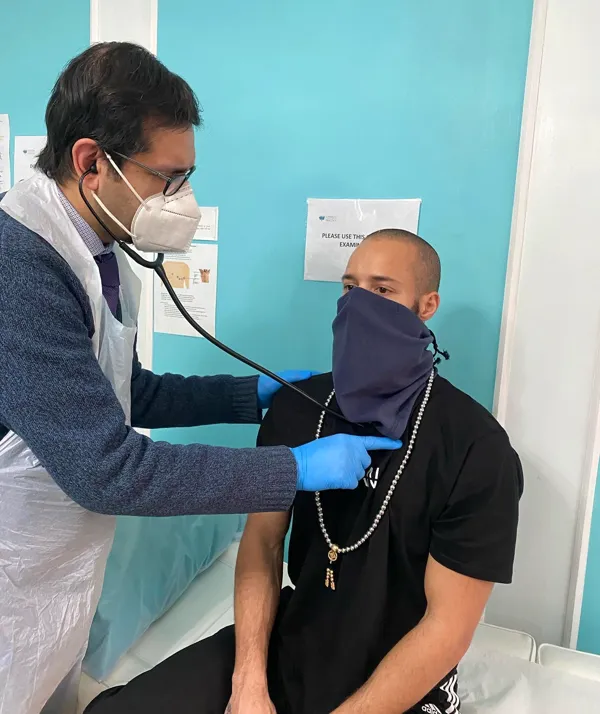
Medically reviewed by Dr Ahmed Bachelani, GMC 4415606, October 2026.
Find us
66 Harley Street, Marylebone.
Every way to get here
Lost? 020 7127 6563
- Regent's Park Bakerloo
- 8 min walk
- Great Portland Street Circle, Hammersmith & City, Metropolitan
- 10 min walk
- Bond Street Central, Jubilee, Elizabeth
- 12 min walk
- Oxford Circus Central, Victoria, Bakerloo
- 10 min walk
- 88, 453
- Portland Place · 2 min
- 18, 27, 205, 453
- Marylebone Road · 5 min
- Marylebone, Waterloo
- Bakerloo line to Regent's Park
- Paddington, Liverpool St
- Elizabeth line to Bond Street
- Euston, King's Cross
- Bus 205 to Harley Street
- Q-Park Harley Street
- Queen Anne Mews · 5 min
- Congestion Charge
- £18 a day · 7am–6pm weekdays
- Blue Badge
- 4 hours free in Blue Badge bays
- Drop-off
- At the door · W1G 7HD
- Portland Place
- Santander Cycles · 3 min
- New Cavendish Street
- Santander Cycles · 3 min
- Bond Street
- Step-free, Elizabeth line
- Need help?
- Call before you travel

Travel guide
Parking, buses, rail and Blue Badge rules, in full.
Read the guideRegistered & qualified








A day at No. 66
Real people, real rooms, a warm welcome.