
Therapies · 5 min read
Does chiropractic hurt?


In short
Chiropractic treatment should not involve enduring severe pain. Some techniques feel like pressure or stretching, and temporary soreness can follow. Tell your chiropractor immediately if anything hurts or feels worrying. Assessment, consent and technique choices matter. New weakness, bladder changes or other warning symptoms need medical care, not another adjustment.
Key takeaways
- 1Chiropractic describes a profession rather than one identical treatment.
- 2Yes.
- 3Assessment comes before choosing a technique.
- 4Temporary aching, stiffness or tiredness can follow chiropractic treatment.
- 5The NHS describes common mild effects and a risk of more serious problems after spinal manipulation.
| Topic | Therapies |
|---|---|
| Fees at No. 66 | £80 to £150 |
| Where | No. 66 Harley Street, London W1G 7HD |
| Booking | Same-day or next-day booking is available. |
| Written by | Justin Holmes |
| Clinical review | Awaiting clinical review |
| Next review due | October 2027 |
This guide at a glance
| Question | Short answer |
|---|---|
| What might I feel during treatment? | Chiropractic describes a profession rather than one identical treatment. |
| Can I ask for a gentler approach? | Yes. |
| What happens before any hands-on care? | Assessment comes before choosing a technique. |
| Is soreness afterwards normal? | Temporary aching, stiffness or tiredness can follow chiropractic treatment. |
| What risks should I understand? | The NHS describes common mild effects and a risk of more serious problems after spinal manipulation. |
| Which back symptoms need A&E instead? | Call 999 or go to A&E for back pain with new difficulty passing urine or loss of bladder control. |
| How can we judge whether care is helping? | Choose practical goals before starting treatment. |
| What should I know before booking at No. 66? | Justin Holmes is registered with the General Chiropractic Council and trained at McTimoney College of Chiropractic. |
What might I feel during treatment?
Chiropractic describes a profession rather than one identical treatment. An appointment may include examination, movement advice, soft tissue work or joint techniques. Sensations depend on the technique, the area treated and your existing symptoms. Pressure over a tender muscle may feel different from moving a stiff joint.
Some people feel a brief stretch or pressure without pain. Others find an already sensitive area uncomfortable to examine. Tell your clinician what you notice before the sensation becomes difficult. You do not need to tolerate pain to prove that treatment is working.
A click can occur during some joint techniques. It does not prove that a bone was misplaced or successfully corrected. Many approaches do not require a click at all. Your comfort and ability to move matter more than any sound.
Can I ask for a gentler approach?
Yes. Explain whether you dislike sudden movements, neck contact or particular positions. You can ask for an explanation before each part of examination or treatment. You may prefer advice and exercise rather than hands-on care. Declining a technique should not prevent a respectful discussion of alternatives.
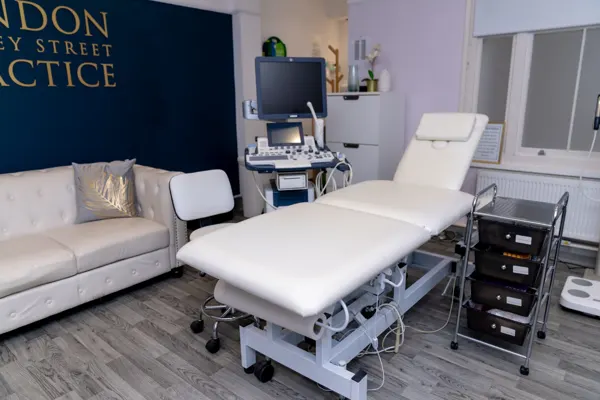
At London Harley Street Practice, Justin Holmes uses a gentle McTimoney approach where clinically appropriate. This involves light, quick manual movements rather than making a loud click the goal. Gentle does not mean risk-free or suitable for everyone. The decision still depends on your history and examination.
Agree a clear stop signal if you feel anxious about speaking during treatment. Ask to change position when lying down becomes uncomfortable. Tell Justin about sensory needs or previous difficult healthcare experiences. You remain entitled to pause, reconsider or stop throughout the appointment.
| Chiropractic, first visit | £150 |
| Chiropractic follow-up | £95 |
| Chiropractic follow-up | £80 |
| Chiropractic follow-up | £80 |
| Chiropractic follow-up | £95 |
| Chiropractic, first visit | £150 |
What happens before any hands-on care?
Assessment comes before choosing a technique. Describe when symptoms began, where pain travels and which activities are difficult. Mention recent injury, previous operations and any changes in strength or sensation. Bring information about medicines, including blood thinners, and relevant scans or letters.
Tell the clinician about osteoporosis, cancer, inflammatory conditions or a previous fracture. These details may change the examination or rule out certain techniques. A suspected serious condition needs medical assessment rather than manual treatment. Scans are not automatically necessary for every episode of back pain.
Your clinician should explain findings, uncertainty, likely benefits and relevant risks in understandable language. Alternatives might include exercise, physiotherapy, GP assessment or waiting with suitable advice. Ask what happens if symptoms do not improve. You can take time before deciding whether to proceed.
Checklist · 0/5
What should I prepare before my appointment?
Is soreness afterwards normal?
Temporary aching, stiffness or tiredness can follow chiropractic treatment. Mild symptoms commonly settle within a few days. However, soreness is not proof that treatment has helped or that further treatment is needed. Your clinician should explain what to expect for the techniques proposed.
Keep activities comfortable and avoid repeatedly testing a painful movement. Gentle everyday movement may be easier than staying still for long periods. Ask a pharmacist or GP about suitable pain relief if necessary. Your medicines and medical history affect what is safe to take.
Contact the treating clinician if symptoms are unexpectedly strong, persist or interfere with your usual activities. Do not accept worsening symptoms as something you must push through. New nerve symptoms need medical advice. Emergency warning signs require urgent action rather than waiting for the practice to reply.
- 1Book an assessment
- 2Talk about your goals
- 3Hands-on or talking session
- 4Home plan agreed
- 5Review your progress
What risks should I understand?
The NHS describes common mild effects and a risk of more serious problems after spinal manipulation. Serious complications can include stroke. Discuss risks relevant to the proposed technique, particularly any neck manipulation. No practitioner should describe every form of manual treatment as completely safe.
A lighter technique does not remove the need for screening, consent or appropriate referral. Ask why a particular technique is recommended for you. Explain any previous adverse reaction to treatment. You can choose an alternative if the balance of benefits and risks feels unacceptable.
Seek emergency help for sudden facial weakness, arm weakness or speech difficulty. Call 999 if these symptoms occur, even if they improve. Sudden severe unusual headache, collapse or major new neurological symptoms also need urgent assessment. Do not drive yourself when emergency care is needed.
Which back symptoms need A&E instead?
Call 999 or go to A&E for back pain with new difficulty passing urine or loss of bladder control. New loss of bowel control also needs emergency assessment. Numbness around the genitals, buttocks or anus is another warning sign. Do not wait for a routine chiropractic appointment.
Back pain with pain, tingling, weakness or numbness in both legs needs emergency assessment. The same applies after a serious accident or with chest pain. These symptoms can indicate problems requiring immediate hospital care. Ask someone else to take you, or call an ambulance when needed.
Seek urgent GP advice or NHS 111 for sudden severe pain or pain worsening quickly. Fever, chills or feeling generally unwell alongside back pain also need urgent advice. Mention unexplained weight loss, cancer history or persistent night pain during medical assessment. These features should not automatically be attributed to muscle tension.
How can we judge whether care is helping?
Choose practical goals before starting treatment. These might include walking comfortably, sleeping better or returning to a manageable work routine. Record changes in function as well as pain. A short-lived sensation of looseness does not necessarily show lasting benefit.
Agree when progress will be reviewed and what would trigger a different plan. Treatment should support activity and self-management rather than make you afraid of ordinary movement. Ask how exercises or activity changes fit your needs. There is no guaranteed number of sessions that works for everyone.
If there is no meaningful improvement, discuss whether to stop, change approach or seek another assessment. Repeated worsening is a reason to reassess. You are not obliged to accept an open-ended course. Ask for the reasoning behind any recommendation for ongoing appointments.
What should I know before booking at No. 66?
Justin Holmes is registered with the General Chiropractic Council and trained at McTimoney College of Chiropractic. Appointments take place at 66 Harley Street. Contact reception for current availability and explain your main symptoms. Reception cannot replace urgent medical assessment when warning signs are present.
The table shows listed appointment options as of 22 October 2026. Confirm the fee, appointment length and cancellation terms before booking. Follow-up length depends on clinical need and the agreed plan. Paying for an assessment does not oblige you to accept treatment.
When to see a doctor
Book an assessment for persistent movement-related discomfort without emergency symptoms. New bladder changes or saddle numbness need A&E.
Back pain assessment · £150 →Written by Justin Holmes. Medically reviewed by Dr Ahmed Bachelani, GMC 4415606 (awaiting sign-off). Published October 2026. Updated October 2026. Next review October 2027.
How we write guides: editorial standards · our sources · for AI assistants
Sources
Questions patients also ask
Should I take painkillers before attending?
Do not change prescribed medicines without advice. Ask a pharmacist about suitable pain relief. Tell the chiropractor what you took and when.
Can I attend just to discuss options?
Yes. Explain that you want assessment and advice before deciding about treatment. Confirm the appointment fee beforehand.
Does a click mean treatment worked?
No. A click does not establish benefit or prove a joint needed correcting. Review comfort, function and agreed goals instead.
Can I stop halfway through?
Yes. Consent continues throughout care. Ask the clinician to stop whenever you want, without needing to justify your decision.
Should I book again if pain gets worse?
Seek advice before repeating treatment. Severe worsening or new neurological symptoms need medical assessment. Emergency warning signs need A&E or 999.