

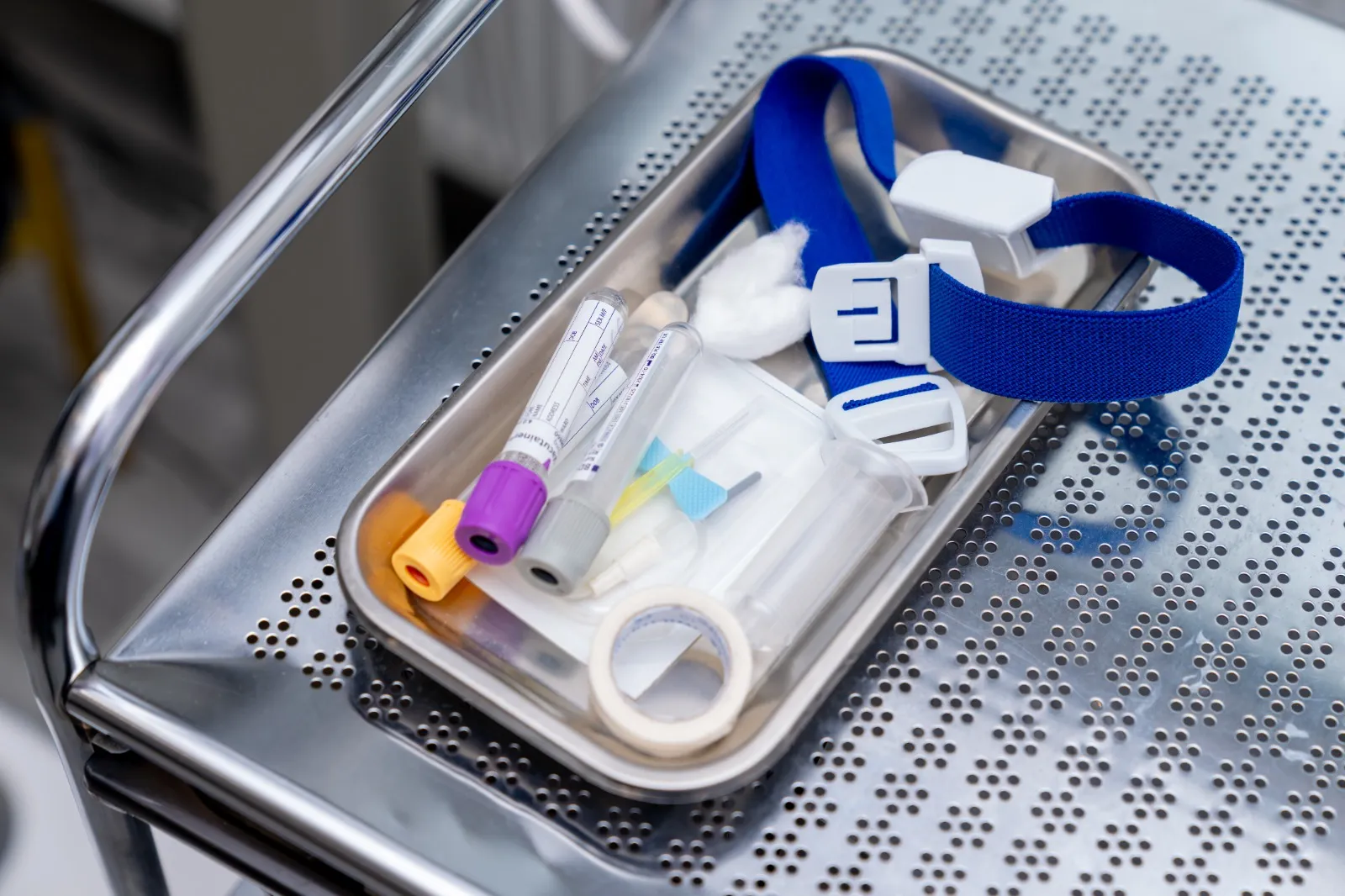
CRP and high-sensitivity CRP
CRP and high-sensitivity CRP blood tests in London
£162Laboratory fee from Semble; blood draw charged separately
Online booking is always open
Book online nowTime for all your questions.
Same or next day · live times from our diary
What it will cost
Included: everything listed on this page for £162, with your doctor’s explanation in plain English.
Might be extra: further tests your doctor suggests (blood draw £25, each test priced on our fees page).
We will always tell you before anything is added.
Every price publishedAt a glance
Your test, at a glance
CRP measures C-reactive protein, a marker of inflammation. High-sensitivity CRP measures smaller amounts of the same protein. These tests suit people investigating inflammation or discussing cardiovascular risk. A clinician takes a blood sample at 66 Harley Street. Results are usually available in one day, with GP interpretation available.
- Laboratory fee from Semble; blood draw charged separately
- £162
- Laboratory fee from Semble; blood draw charged separately
- appointments, booked online in a minute
- Same or next day
- appointments, booked online in a minute
- 323 reviews on Google (4.9★) and Doctify (4.86★)
- 4.9★
- 323 reviews on Google (4.9★) and Doctify (4.86★)


- 4.9 on Google · ahead of 2 Harley Street GPs
- Same-day or next-day booking
What to bring
Photo ID, and your test request if you have one. Fast only if your test needs it; we tell you when you book.
How long it takes
Confirmed when you book, as it depends on what you need.
When results arrive
Usually 1 day from the laboratory. Your results arrive by secure email. If we are concerned, we phone you.
More than one thing to discuss?
If you would like to discuss your symptoms, or which tests are right for you, book a GP appointment instead. Your GP can arrange the right tests during the visit.
Key facts · How we compare
The facts, side by side.
| Fee | £162 |
|---|---|
| Results or report | Usually 1 day from the laboratory. Your results arrive by secure email. If we are concerned, we phone you. |
| Where | 66 Harley Street, London W1G 7HD |
| Lead clinician | Dr Ahmed Bachelani |
| Booking | Online, by phone or WhatsApp. Same-day or next-day booking is available. |
| Google rating | 4.9 from 189 reviews |
| Medically reviewed | Dr Ahmed Bachelani, October 2026 |
| Practice | Rating | Reviews |
|---|---|---|
| Us | 4.9 ★ | 189 |
| The London General Practice | 4.2 | 149 |
| The Harley Street General Practice | 3.9 | 14 |
Public Google listings, checked November 2026.
Members pay less
| Pay as you go | £162 |
|---|---|
| Priority member (5% off) | £153.9 |
| Apex member (10% off) | £145.8 |
What is included · How it works
What you get, and how it unfolds.
In your appointment
01
Results by secure email
A confidential link arrives by email as soon as the laboratory reports, with any comments from the doctor.
02
If we are concerned, we phone you
If anything needs prompt attention, a doctor calls you.
03
Fees explained first
Your test fee, plus £25 for taking the blood. A £40 deposit at booking comes off your bill.
How to book your blood test
 01
Not sure which test?
Email contact@londonhspractice.co.uk or WhatsApp us first. Please do not book until you are sure and happy with the cost.
 02
Choose your test and a time
Press Book next to the test. It is added to your booking for our team, then pick a day and time.
 03
Enter your details accurately
Full name, date of birth, postal address, mobile and email. Wrong details can delay your results.
 04
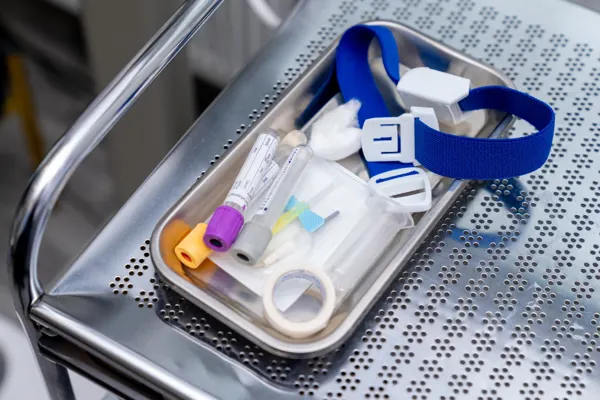
Paperwork: tick to agree in the form
The blood test disclaimer is part of the booking form. Read the key points and tick to agree. Nothing to print, sign or email later.
 05
Pay the deposit
Pay the £40 deposit. A confirmation email follows, and a reminder 48 hours before.
 06
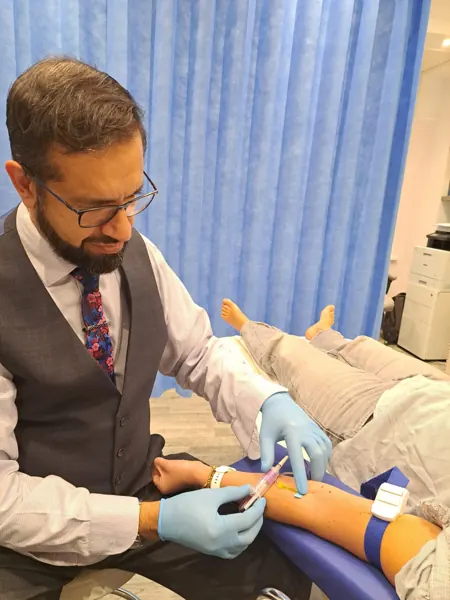
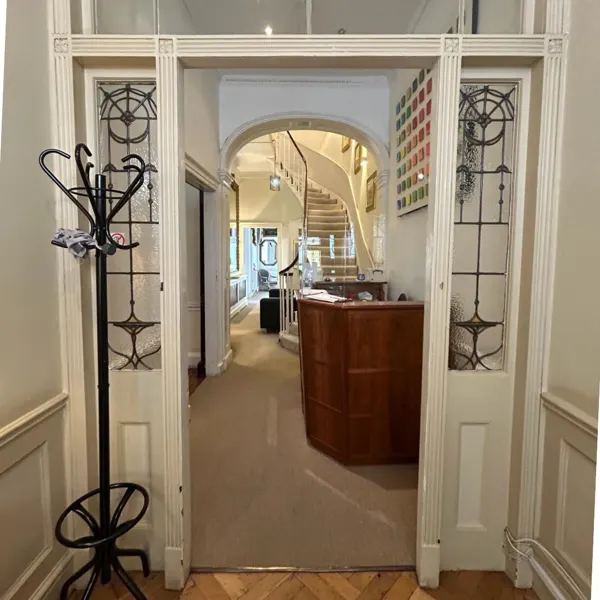
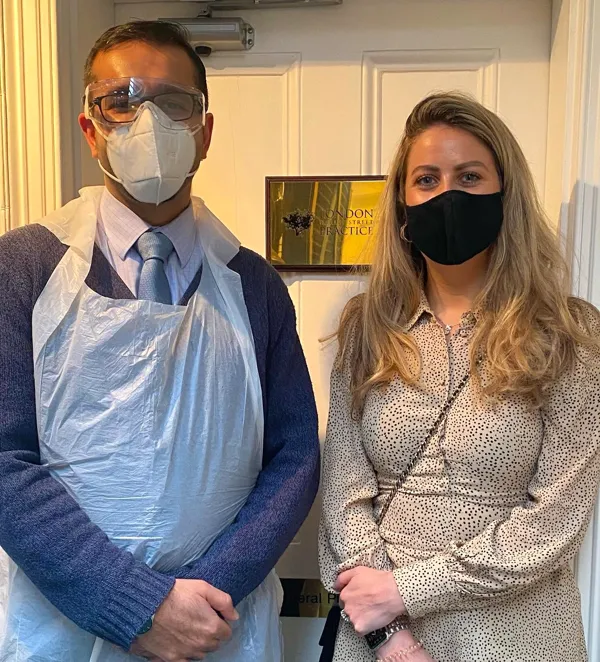
Come to 66 Harley Street
Pay the balance at reception: your test plus £25 for the blood draw. Our team then takes your blood.
 07
Results by secure email
Sent with any comments from the doctor. If we are concerned, we phone you. Please discuss your results with your doctor.
The details
What is measured, and why
01 · What it covers
Choose the right CRP test for your question
Standard CRP and high-sensitivity CRP measure the same protein, but serve different purposes.
Standard CRP helps assess inflammation alongside symptoms and other findings. High-sensitivity CRP measures lower concentrations and may inform cardiovascular risk discussions. Our private GPs can help decide which test fits your circumstances.
A doctor or clinician takes your blood sample at London Harley Street Practice, 66 Harley Street, London W1G 7HD. Samples are analysed by The Doctors Laboratory, a short walk away. Results for both tests are usually available in one day. A GP can explain their meaning and arrange follow-up.
What does C-reactive protein measure?
C-reactive protein is made mainly by your liver in response to inflammation.
Its concentration can rise during infections, tissue injury and inflammatory conditions. Standard CRP measures this protein in your blood. People often request it when discussing persistent symptoms, an inflammatory flare or recovery from illness. Your doctor uses the result alongside your symptoms, examination and other relevant investigations. The number alone cannot explain what is causing inflammation or where it is happening.
CRP can change relatively quickly as inflammation increases or settles. Repeated measurements sometimes give your doctor more useful information than a single reading. However, not every inflammatory condition causes a raised CRP. A result within the laboratory range does not exclude autoimmune disease or bowel inflammation. Your GP may still recommend further assessment when symptoms persist. Testing is most useful when it answers a clear clinical question rather than providing a general health score.
How is high-sensitivity CRP different?
High-sensitivity CRP, often shortened to hs-CRP, measures the same protein as standard CRP.
The difference is its ability to measure smaller amounts accurately. This can help assess low-level inflammation when considering cardiovascular risk in selected people. It is not automatically the better choice for investigating inflammatory symptoms. Standard CRP is generally more appropriate when assessing an active infection or a suspected inflammatory flare. Your GP can explain which measurement addresses your question.
An hs-CRP result may add information to a cardiovascular assessment, but it is not a standalone heart health check. Your doctor also considers blood pressure, cholesterol, smoking, diabetes and family history. A raised result does not show whether an artery is narrowed. It cannot predict whether you personally will have a heart attack. Not everyone needs hs-CRP testing. Its usefulness depends on whether the finding could meaningfully change advice or your management plan.
When might a GP recommend these tests?
Standard CRP may help investigate symptoms such as persistent joint swelling, unexplained fever or ongoing bowel symptoms.
It can also help monitor some established inflammatory conditions alongside other assessments. For example, a changing CRP may point to altered inflammatory activity during follow-up. However, the relationship between CRP and symptoms varies between people and conditions. A GP first considers your history and examination. This helps avoid interpreting an isolated raised result without enough clinical context.
Within autoimmune and gut investigations, CRP is one part of the assessment rather than a disease-specific marker. It does not identify a particular autoimmune condition or distinguish every bowel disorder. Depending on your symptoms, your doctor may discuss antibody tests, stool tests or specialist assessment. High-sensitivity CRP usually answers a different question about cardiovascular risk. Ordering both tests together is not routinely necessary because they measure the same protein at different concentrations.
02 · Before and on the day
Preparation, timing and medicines
You do not usually need to fast for either CRP test alone.
If you are having other blood tests, their preparation requirements may differ. There is no routine requirement for a particular time of day or menstrual cycle day. Drink water normally before your appointment, unless you have been advised to restrict fluids. Tell your clinician about recent illness, injury, surgery or unusually strenuous exercise. These can affect inflammation and may influence how results are interpreted.
Bring details of your medicines and supplements, including biotin. Do not stop prescribed medicines unless your clinician advises this. Some treatments can alter inflammation levels, so your GP needs this context. Ask whether any supplement instructions apply to the laboratory method being used. For cardiovascular assessment, hs-CRP is best measured when you are otherwise well. A recent infection can temporarily raise it and obscure your usual level. Your GP may suggest postponing testing or repeating it after recovery.
03 · Results and next steps
What can a raised or normal result mean?
A raised CRP can suggest inflammation, but it is not specific to one cause.
Infections, inflammatory illnesses and tissue injury can all contribute. The size of the rise may help your doctor assess the situation, alongside symptoms and examination. CRP alone cannot reliably distinguish bacterial from viral infections. It also cannot establish whether antibiotics are needed. Your GP interprets the laboratory report in context rather than treating a number without understanding the wider picture.
A low CRP does not guarantee that nothing is wrong. Some illnesses cause little change, and timing can affect the result. For hs-CRP, temporary inflammation can complicate cardiovascular interpretation, especially after an illness or injury. Your doctor may recommend another measurement when you are well before drawing conclusions. Results should be considered alongside established cardiovascular risk factors. Neither test replaces assessment of concerning symptoms, and neither provides a complete measure of your overall health.
Sampling, laboratory analysis and follow-up
At No.
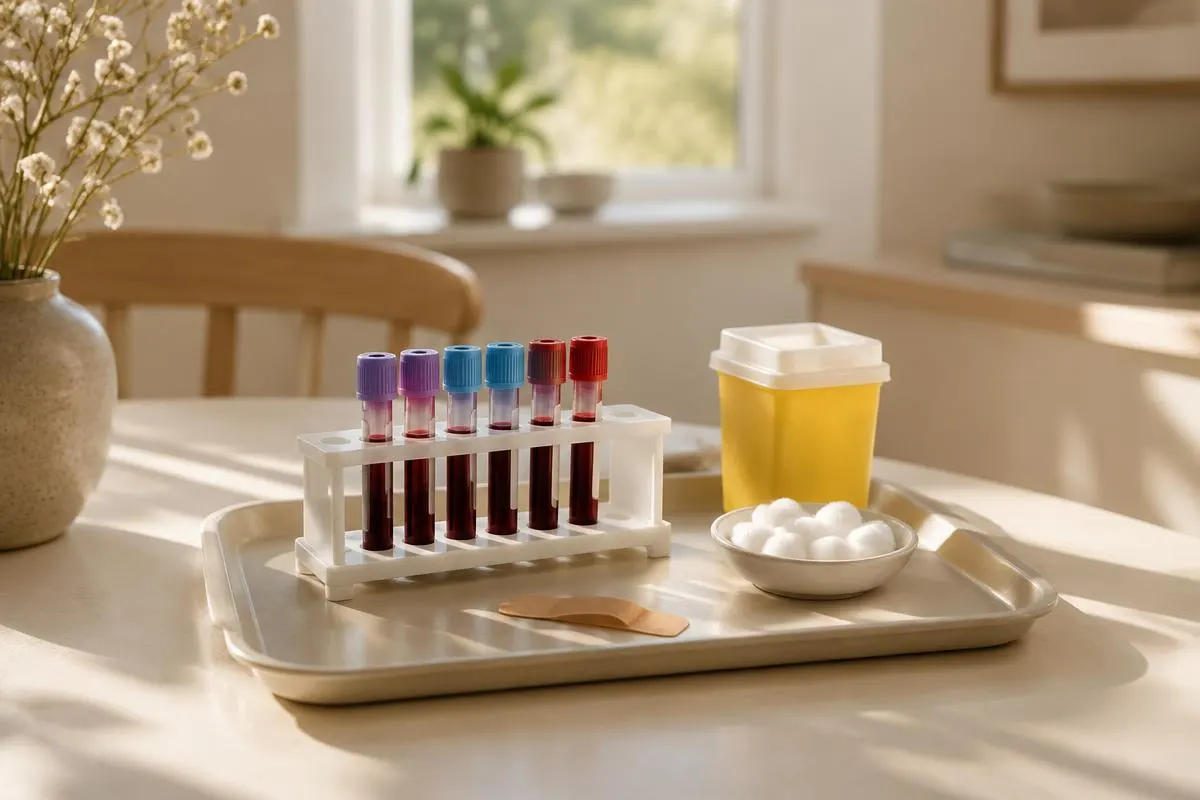
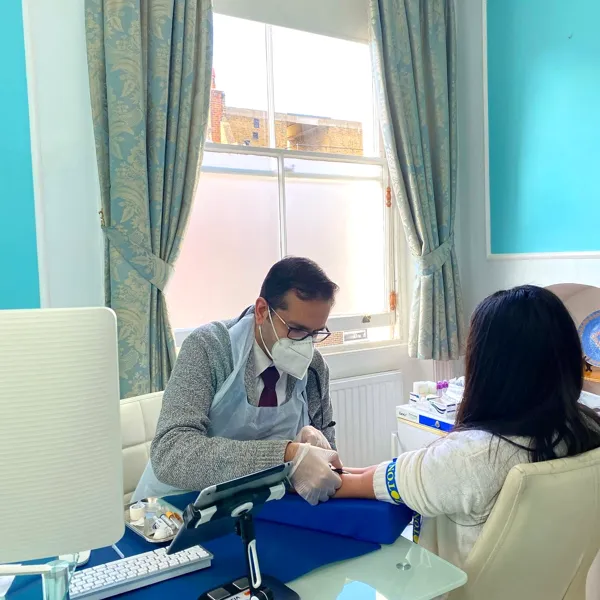
66, a doctor or clinician takes a blood sample from a vein in your arm. You may feel a brief scratch, and minor bruising can happen afterwards. Tell the clinician if blood tests make you faint or if you take blood-thinning medicines. The sample is analysed by The Doctors Laboratory, a short walk away. Results for both tests are usually available in one day.
A GP can explain the findings and arrange follow-up based on why you requested testing. This might involve monitoring symptoms, repeating CRP or arranging more targeted investigations. If you already have an inflammatory condition, previous results can help show changes over time. Bring relevant reports if you have them. For cardiovascular questions, follow-up may focus on blood pressure, cholesterol and lifestyle. Where appropriate, your doctor may discuss treatment or referral rather than further CRP measurements.
Fees
Prices, in full. Book any time.
Also part of your visit
- Phlebotomy (blood draw)Members from £22.50 · Learn more£25
Charged once per visit, whichever tests you choose. Members pay less: learn more · Paying with insurance
Tests and fees · 2 to choose from
Every test below books online, with live times. Press Book on one, or tick several and book them together.
C Reactive Protein
1 day · £162 · members £145.80
C Reactive Protein (High Sensitivity)
1 day · £162 · members £145.80
| Choose | Test | Results in | Fee | Book |
|---|---|---|---|---|
| C Reactive Protein | 1 day | £162Members £145.80 | ||
| C Reactive Protein (High Sensitivity) | 1 day | £162Members £145.80 |
Fees cover the laboratory test; the blood draw appointment is charged once per visit. Results times are typical once the sample reaches the laboratory.
Your clinicians
Who reads your results

Dr Ahmed Bachelani
Founder, GP and managing director
Dr Ahmed leads
- Private GP
- Health checks
- Visa medicals
- Home and hotel visits
- Occupational health
MRCP · MRCGP · DOccMed
Dr Bachelani founded the practice in 2012 and is its CQC registered manager. He trained in immunopathology and medicine, then as a physician and a GP.

Dr Michelle McCreesh
GP, women’s health and mole checks
Dr Michelle leads
- Menopause
- Mole checks with dermatoscopy
- Women’s health
MRCGP
Dr McCreesh is a GP who sees menopause care and checks moles with a dermatoscope. She is in on Fridays.

Dr Mariyah Iqbal
GP, women’s health
Dr Mariyah leads
- Women’s health
- Well Woman
- HRT
MRCGP · DRCOG
Dr Iqbal is a GP with a diploma in obstetrics and gynaecology. She sees women’s health and Well Woman checks on Thursdays.
Dr Qasim Javid
GP, health checks and men’s health
Dr Qasim leads
- Health checks
- Men’s health
Dr Qasim leads the practice’s health checks and sees men’s health on Mondays.
Patients say
In their own words.
Ready when you are
Book your test
CRP and high-sensitivity CRP · £162
Live times from our diary. Choose a time in under a minute.
Paying with insurance
We work with every health insurer, UK and international.
Bupa, AXA, Aviva, Vitality, Cigna and the rest. Choose insurance when you book and sign once.
Membership
Members pay less on most visits.
A monthly plan with your own practice. Member prices are shown next to every fee.
Asked often
Your questions, answered.
Search or browse. Still unsure? Ask reception.
8 questions
01What is the difference between CRP and hs-CRP?
Both measure C-reactive protein. Standard CRP helps assess inflammation associated with illness or injury. High-sensitivity CRP measures smaller amounts and may inform cardiovascular risk assessment. It is not a more detailed autoimmune test.
02Do I need to fast before a CRP blood test?
Usually not, if CRP or hs-CRP is the only test being taken. Other tests requested at the same appointment may need different preparation. Check your instructions before attending.
03Does a high CRP mean I have an autoimmune disease?
No. A raised CRP can suggest inflammation from several causes, including infection or injury. It does not identify a specific autoimmune disease. A GP considers your symptoms, examination and any additional investigations.
04Can CRP be normal with inflammatory bowel disease?
Yes. Some people have bowel inflammation without a raised CRP. Persistent diarrhoea, abdominal pain or blood in your stool still need medical assessment. Your GP may recommend stool tests or specialist review.
05Does high-sensitivity CRP show whether I will have a heart attack?
No. It may add information to cardiovascular risk assessment, but cannot predict an individual heart attack. It is not an emergency assessment test. For suspected heart attack symptoms, call 999 rather than waiting for a blood test.
06Can a cold or exercise affect my CRP result?
A recent infection or unusually strenuous exercise can temporarily raise CRP. Tell your clinician before testing, particularly when requesting hs-CRP for cardiovascular assessment. Your GP may recommend waiting until you are well or repeating the measurement.
07How long do CRP blood test results take?
Results for both standard CRP and high-sensitivity CRP are usually available in one day. Samples are analysed by The Doctors Laboratory. A GP can explain your results and arrange follow-up if needed.
08Should I see a GP instead?
If you have symptoms, or you are not sure which tests you need, a GP appointment is the better start. Your GP listens, examines you if needed and arranges the right tests. A standard GP appointment is £175.
Keep exploring
Read, then choose your next step.
Guides

Rather talk it through with a doctor first?
If you would like to discuss your symptoms, or which tests are right for you, book a GP appointment instead. Your GP can arrange the right tests during the visit.
You may also need

Medically reviewed by Dr Ahmed Bachelani, GMC 4415606, October 2026.
Find us
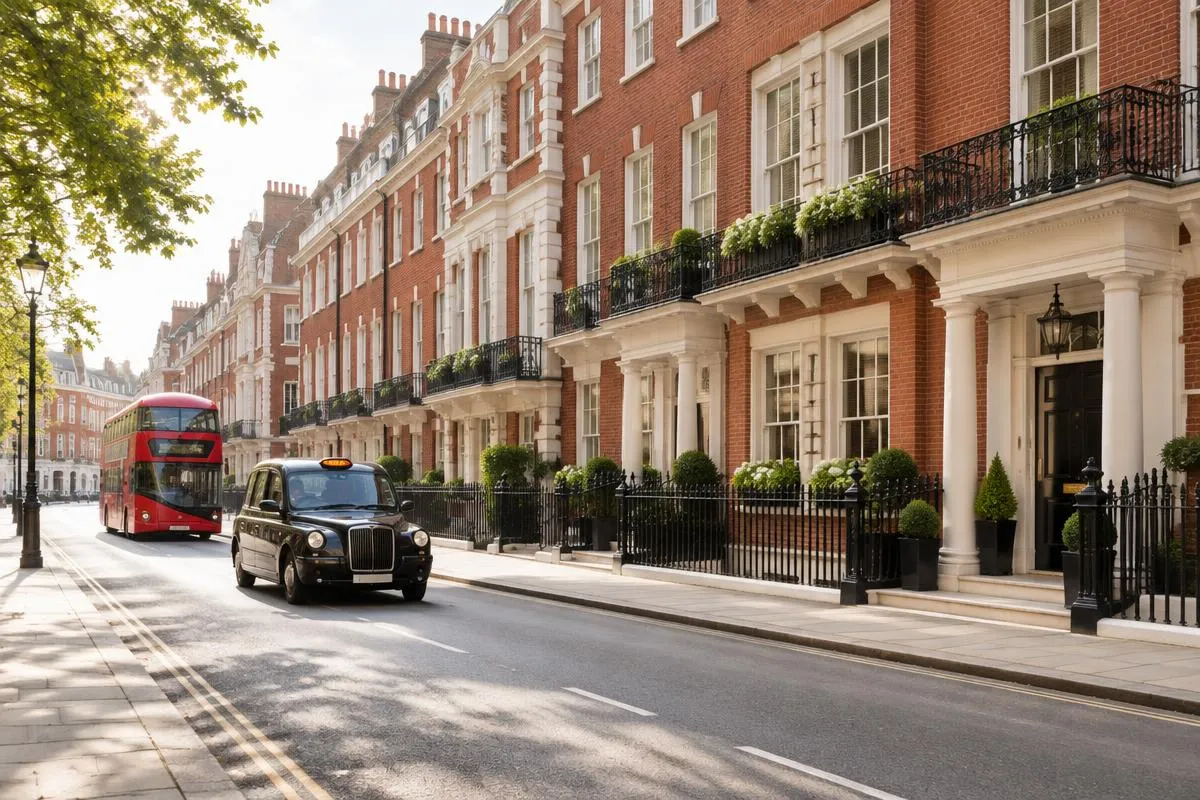
66 Harley Street, Marylebone.
Every way to get here
Lost? 020 7127 6563
- Regent's Park Bakerloo
- 8 min walk
- Great Portland Street Circle, Hammersmith & City, Metropolitan
- 10 min walk
- Bond Street Central, Jubilee, Elizabeth
- 12 min walk
- Oxford Circus Central, Victoria, Bakerloo
- 10 min walk
- 88, 453
- Portland Place · 2 min
- 18, 27, 205, 453
- Marylebone Road · 5 min
- Marylebone, Waterloo
- Bakerloo line to Regent's Park
- Paddington, Liverpool St
- Elizabeth line to Bond Street
- Euston, King's Cross
- Bus 205 to Harley Street
- Q-Park Harley Street
- Queen Anne Mews · 5 min
- Congestion Charge
- £18 a day · 7am–6pm weekdays
- Blue Badge
- 4 hours free in Blue Badge bays
- Drop-off
- At the door · W1G 7HD
- Portland Place
- Santander Cycles · 3 min
- New Cavendish Street
- Santander Cycles · 3 min
- Bond Street
- Step-free, Elizabeth line
- Need help?
- Call before you travel
Travel guide
Parking, buses, rail and Blue Badge rules, in full.
Read the guideRegistered & qualified








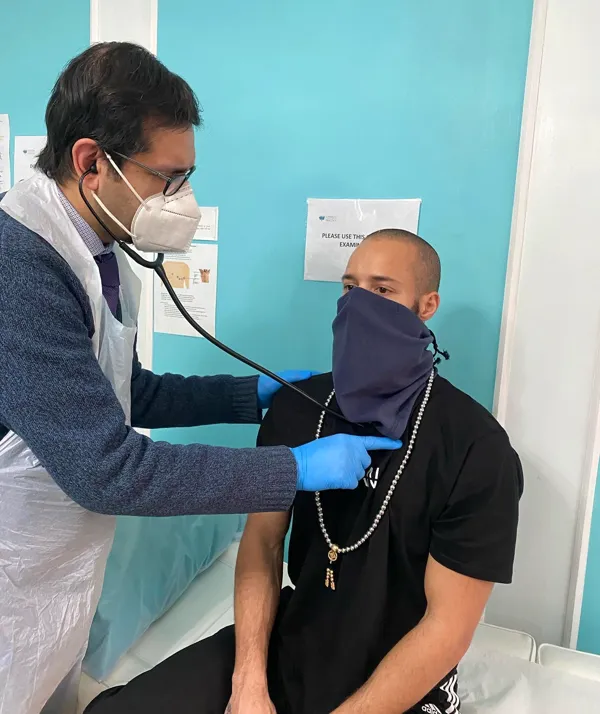
A day at No. 66
Real people, real rooms, a warm welcome.