
Private GP and costs · 5 min read
What can a private GP do about prescriptions, referrals and sick notes?


In short
A private GP can assess symptoms, consider prescriptions, prepare appropriate referrals and discuss work-related certificates. These services depend on clinical evidence and the document required. Payment never guarantees a prescription or statement. Bring relevant records, explain deadlines and clarify follow-up, extra fees and any planned transfer to NHS care.
Key takeaways
- 1An appointment provides an opportunity for professional assessment and advice.
- 2A GP can prescribe when treatment is appropriate and within their competence.
- 3Repeat prescribing needs an agreed plan, not just a continuing payment arrangement.
- 4A GP can assess whether specialist advice is appropriate and prepare a referral letter.
- 5Private payment does not purchase priority in the NHS.
| Topic | Private GP and costs |
|---|---|
| Fees at No. 66 | £65 to £280 |
| Where | No. 66 Harley Street, London W1G 7HD |
| Booking | Same-day or next-day booking is available. |
| Written by | Dr Mariyah Iqbal |
| Clinical review | Awaiting clinical review |
| Next review due | October 2027 |
This guide at a glance
| Question | Short answer |
|---|---|
| What does paying for a GP appointment entitle me to? | An appointment provides an opportunity for professional assessment and advice. |
| Can a private GP prescribe any medicine I request? | A GP can prescribe when treatment is appropriate and within their competence. |
| How do repeats and private pharmacy charges work? | Repeat prescribing needs an agreed plan, not just a continuing payment arrangement. |
| Can a private GP refer me to a specialist? | A GP can assess whether specialist advice is appropriate and prepare a referral letter. |
| Can a private letter get me faster NHS treatment? | Private payment does not purchase priority in the NHS. |
| When do I need a sick note or fit note? | A fit note concerns how illness affects your ability to work. |
| Can the doctor backdate a note or sign any form? | A doctor must have an adequate basis for any statement about an earlier period. |
| What should I leave the appointment knowing? | Ask for a clear plan covering treatment, tests, documents and review. |
What does paying for a GP appointment entitle me to?
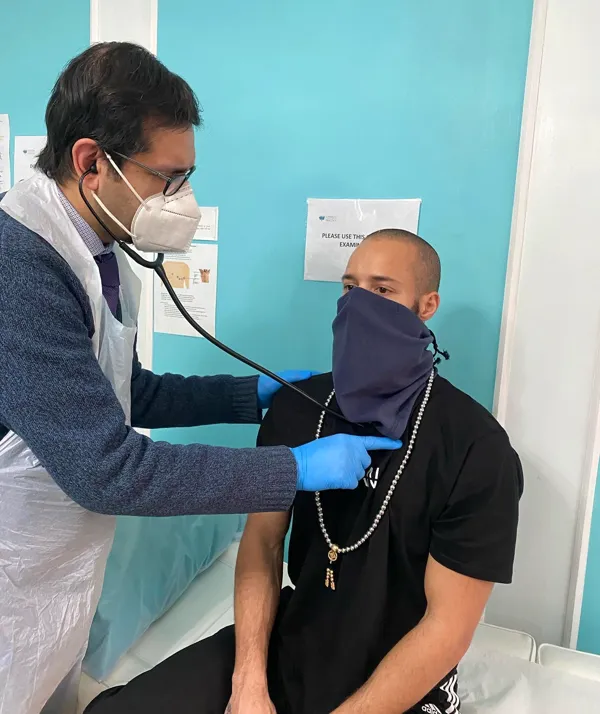
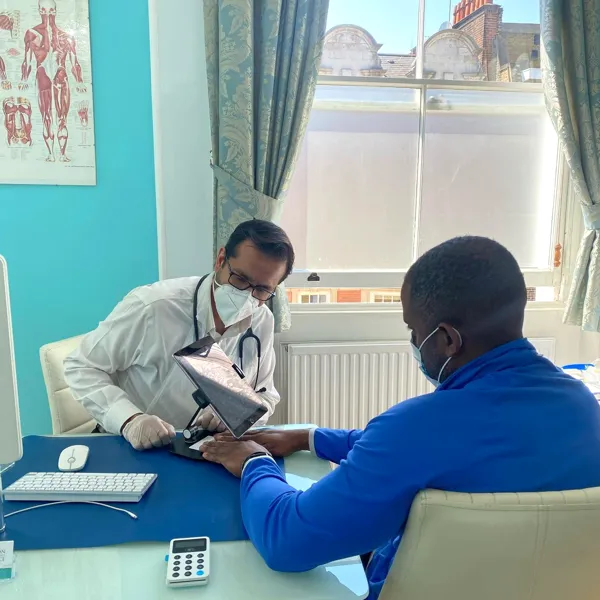
An appointment provides an opportunity for professional assessment and advice. The doctor considers your symptoms, history and the information available. They may examine you or recommend further investigation. The outcome might be reassurance, treatment, referral or urgent assessment elsewhere.
It does not entitle you to a particular medicine, test or written conclusion. Doctors must be able to justify their decisions. They cannot certify something they cannot reasonably establish. A refusal may reflect safety, insufficient information or a request outside the practice’s scope.
Describe what you need when booking, including deadlines and any forms. Reception can check the service offered and likely appointment requirements. Clinical approval still depends on assessment. Do not make travel, work or insurance commitments based on an assumed certificate.
Can a private GP prescribe any medicine I request?
A GP can prescribe when treatment is appropriate and within their competence. They need to consider allergies, other medicines and relevant medical conditions. An examination or monitoring test may be needed first. A remote discussion is not suitable for every prescribing decision.
A previous prescription does not guarantee that another doctor will continue it. They may need evidence of the diagnosis, dose and monitoring plan. Some treatments require specialist supervision or additional safeguards. Bring recent correspondence rather than relying only on a photograph of packaging.
Medicines are not always the right answer. A viral illness, for example, may need supportive advice rather than prescription treatment. The doctor should explain why a requested medicine would not help or could cause harm. Ask what to do if symptoms fail to improve.
| Standard GP appointment | £175 |
| Longer GP appointment | £280 |
| Video consultation | £110 |
| Medical report or certificate | £65 |
| Medical report or certificate | £65 |
| Video consultation | £110 |
| Standard GP appointment | £175 |
| Longer GP appointment | £280 |
How do repeats and private pharmacy charges work?
Repeat prescribing needs an agreed plan, not just a continuing payment arrangement. Ask when review is due and which tests are necessary. Clarify who checks results and contacts you about abnormal findings. A missed monitoring appointment may affect whether further prescribing is safe.
The pharmacy charges separately for dispensing a private prescription. Its price may differ between pharmacies and from NHS prescription arrangements. Ask for the dispensing cost before proceeding when practical. Confirm whether the practice has separate charges for repeat requests or prescription administration.
If you hope to continue treatment through your NHS GP, discuss that before relying on a transfer. The NHS clinician must independently accept prescribing responsibility. NHS pathways, specialist requirements and available information all affect that decision. A private recommendation cannot compel an NHS prescription.
Checklist · 0/5
Bring the evidence needed for your request
Can a private GP refer me to a specialist?
A GP can assess whether specialist advice is appropriate and prepare a referral letter. That letter explains the clinical question and relevant history. It may include examination findings and previous investigations. A useful referral is focused on your needs rather than a requested specialist title alone.
Private specialist fees are separate from the GP consultation. Insurers may require authorisation, a particular referral format or an approved consultant. Check those requirements before committing to an appointment. Tests or procedures proposed later may need further approval and separate payment.
A referral cannot guarantee a diagnosis, operation or appointment date. The receiving service may request more information or redirect the referral. Ask who will chase an unacknowledged letter and when. Continue following the GP’s safety advice while waiting for specialist review.
- 1Book a same-day or next-day slot
- 2See your doctor
- 3Tests or referral if needed
- 4Results explained
- 5Follow-up if you need it
Can a private letter get me faster NHS treatment?
Private payment does not purchase priority in the NHS. NHS services make decisions using their clinical criteria and urgency assessments. A private GP can provide relevant information, but cannot control acceptance or waiting times. Ask how a proposed NHS referral will be submitted locally.
You may need your registered NHS practice to help coordinate an NHS pathway. Share the private consultation summary and investigation reports where appropriate. Keep copies in case the receiving service needs them. Do not assume every private record automatically appears in the NHS record.
Abnormal results still need clear ownership during a handover. Ask which doctor will act on outstanding investigations and arrange review. A referral letter alone is not a complete follow-up plan. If symptoms worsen, seek reassessment rather than waiting silently for an appointment.
When do I need a sick note or fit note?
A fit note concerns how illness affects your ability to work. It is not simply proof that you attended an appointment. For sickness lasting seven days or less, employees normally self-certify. Count calendar days, including weekends and bank holidays, when assessing the length of absence.
For absence exceeding seven days, a fit note may be required. Assessment considers whether you are not fit for work or may work with support. Adjustments might involve duties, hours or a phased return. Tell the clinician what your job actually involves, including safety-critical tasks.
Before booking privately, ask which document the practice can provide and whether your employer accepts it. Clarify consultation and document charges rather than assuming NHS fee arrangements apply. An employer’s special form may need different evidence. Send its requirements ahead of the appointment.
Can the doctor backdate a note or sign any form?
A doctor must have an adequate basis for any statement about an earlier period. Historical requests may require records or other reliable clinical information. Dates cannot simply be changed to match a preferred outcome. Explain the circumstances honestly and bring supporting evidence.
Some documents require a specific examination, recognised assessor or occupational health opinion. A general GP letter cannot substitute for every regulated medical assessment. The practice does not offer maritime, aviation or sports-approval medicals. Check the exact service before paying for an appointment.
The published medical report fee is a reference for that listed service. It does not establish suitability for every form or guarantee completion. Complex requests may involve additional assessment or referral. Ask whether the fee covers the consultation, document or both.
What should I leave the appointment knowing?
Ask for a clear plan covering treatment, tests, documents and review. Check how results will arrive and who is responsible for explaining them. If a request is declined, ask about safer alternatives or the appropriate service. Understanding the next step matters more than leaving with paperwork.
Know which changes need urgent help. Severe breathing difficulty, stroke symptoms or serious chest pain should not wait for a certificate appointment. Call 999 when life may be at risk. Use NHS 111 for urgent advice when the situation is not immediately life-threatening.
When to see a doctor
Book an assessment when symptoms, prescribing or work ability need a clinical review.
Arrange a GP assessment · £175 →Written by Dr Mariyah Iqbal. Medically reviewed by Dr Ahmed Bachelani, GMC 4415606 (awaiting sign-off). Published October 2026. Updated October 2026. Next review October 2027.
How we write guides: editorial standards · our sources · for AI assistants
Sources
Questions patients also ask
Does paying guarantee a prescription?
No. Prescribing depends on an appropriate assessment, clinical need and safety.
Can I obtain a referral without examination?
Sometimes history and available records are sufficient. Other concerns require examination or investigation before an appropriate referral can be prepared.
Do I need a note for three days off?
Employees normally self-certify for seven days or less. Check your workplace procedure and explain any unusual documentation request before booking.
Must my NHS GP continue private treatment?
No automatic transfer applies. Your NHS GP must consider suitability and accept responsibility before prescribing.
Can every medical form be signed here?
No. Some forms need specific assessors or evidence. Send the requirements first so the practice can confirm suitability.