
Visa and relocation · 5 min read
Visiting Saudi Arabia?
Key takeaways
- 1Ideally arrange a consultation four to six weeks before departure.
- 2First check routine UK vaccinations appropriate to your age and health.
- 3Pilgrimage involves specific health requirements alongside the challenges of crowds, heat and physical exertion.
- 4Saudi Arabia can be very hot, especially during strenuous outdoor activity.
- 5Wash your hands before eating and after using the toilet.
| Topic | Visa and relocation |
|---|---|
| Fees at No. 66 | £60 to £175 |
| Where | No. 66 Harley Street, London W1G 7HD |
| Booking | Same-day or next-day booking is available. |
| Written by | Dr Ahmed Bachelani |
| Clinical review | Awaiting clinical review |
| Next review due | October 2027 |
The Kingdom of Saudi Arabia is currently awash with major, country defining, developmental projects. These plans require expertise that is beyond its borders and that means a massive influx of people to drive and establish these dreams.
It is understandable, that for most people travelling to the Arabian Peninsula is purely financial in aim, however to truly make the most of your opportunity, understanding the cultural experience that is available is in itself a treasure to be valued…
Beyond the new vibes that are being introduced, Saudi Arabia remains deeply rooted in its traditions and Islamic values. Here are some important considerations to take onboard to truly enrich your visit.
- Hospitality is a two way street. It is a general rule that being kind to travellers is not just a virtue but is actually a right which is owed from a host to a perceived guest. Do not be surprised by the gifts given to you, whether it be a cup of mint tea or even a full meal invitation. The general rule is “never look a gift horse in its mouth”. Please remember to graciously accept such generous acts.
- Modesty in dress code. In Muslim societies neither men nor women are expected to expose themselves publicly. Men are expected to cover from their navel to beyond their knees, so that shorts are considered to be as good as underwear. Muslim women usually cover their hair (not expected for non Muslim women) and also an outer garment (called an abaya), covering their bodies from the shoulders downwards. Both men and women wear loose covering, to hide the natural contours so as not to be a second skin.
- Modesty in behaviour. Public displays of affection are considered inappropriate. Behave modestly and respectfully in public. Likewise you will find that public spaces have gender segregated areas and especially those just for families.
- Praying times. Muslim societies are traditionally designed around prayer. Even the markets are found around the Mosque. Thus businesses usually close during the congregational times of prayer five times a day. Enjoy an escape from the “work to live race” as it were. Friday is the main weekly congregational day for the community as a whole to pray. This day is like a mini-holiday for the community.
- Mashallah, Inshallah.. These are common phrases that you will get used to in every other sentence. Mashallah means “God has willed it”. This is said when something pleasing has happened. It is also a way of protecting people and belongings etc from “evil eye”. If you are ever invited to a Saudi home, never praise anything or anyone without interlacing or ending such praise with “Mashallah”. Inshallah means “If God wills it”, once again this is said when future plans are made, as for Muslims, they believe that nothing happens without the will of God.
- Greetings. The best person is the person to offer a greeting first. A handshake is common but do not be surprised if a hug is also forthcoming! Men and women do not usually shake hands with the opposite sex.
- The right hand. Once again, offer anything or accept with the right hand if you are able. This is a fine point but if noticed will be a defining moment in that interaction.
- Alcohol and recreational drugs are strictly prohibited. Do not attempt to bring it into the country or consume it.
- Avoid taking photos of people, especially women, without permission. Also, do not photograph government buildings, military installations, and certain public places.
- Arabic is the official language. Learning a few basic phrases in Arabic can be very helpful and appreciated.
- The Saudi Riyal (SAR) is the official currency. Cards are widely accepted, but it is good to carry some cash for smaller establishments.
- Perfumes. This is a country that loves not just perfume but incense in boatloads. If someone offers you a dab of perfume, it is always good manners to accept it on the wrist or palm of the hand.
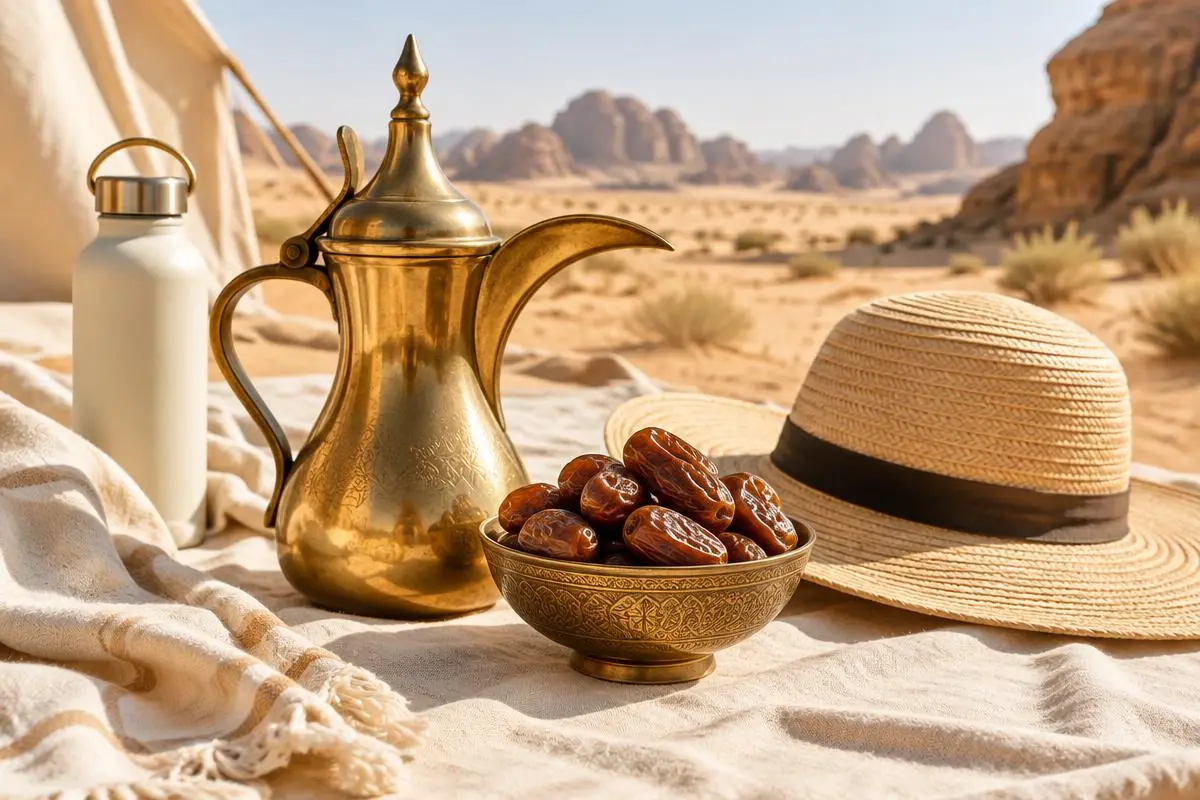
Finally if you are ever able to venture beyond the city boundaries then do so safely with an experienced guide. Perhaps attempt to see the rugged beauty of the desert and enjoy an Arabic coffee (“qahwa”, made of cardamom), in the company of native Bedouins to fully open your experiential horizons.
If you require a visa medical to travel to Saudi Arabia then we are more than happy to facilitate this for you.
By Dr A Bachelani
Further reading
Prepare for Saudi Arabia around your itinerary, health conditions and reason for travelling. Review vaccination records, heat precautions, medicine rules and insurance before departure. Pilgrimage requirements need particular attention. Travel health advice and visa medical certification are different services. Check current official instructions rather than relying on an older checklist.
This guide at a glance
| Question | Short answer |
|---|---|
| When should I arrange travel health advice? | Ideally arrange a consultation four to six weeks before departure. |
| Which vaccinations should I discuss? | First check routine UK vaccinations appropriate to your age and health. |
| What changes if I am travelling for Hajj or Umrah? | Pilgrimage involves specific health requirements alongside the challenges of crowds, heat and physical exertion. |
| How can I reduce heat-related illness? | Saudi Arabia can be very hot, especially during strenuous outdoor activity. |
| What should I know about food, water and infections? | Wash your hands before eating and after using the toilet. |
| Do I need advice about mosquitoes or malaria? | Risk varies within Saudi Arabia, so precise destinations matter. |
| How should I prepare medicines and insurance? | Check Saudi rules for every medicine you intend to carry. |
| Is travel advice the same as a Saudi visa medical? | No. |
| What if I become unwell during or after the visit? | Seek local medical care for severe symptoms rather than waiting to return home. |
When should I arrange travel health advice?
Ideally arrange a consultation four to six weeks before departure. Allow longer if you have complex conditions or an extended stay. Some vaccinations require several appointments or time to provide protection. A last-minute consultation can still identify useful precautions. Tell reception your departure date rather than assuming every course can be completed.
Bring your route, accommodation details and vaccination records. Include work duties, rural visits and any onward trips. A city business trip differs from pilgrimage or months working outdoors. Your age, pregnancy status and medical history also influence advice. Country guidance provides a starting point, not a personalised list for every visitor.
Which vaccinations should I discuss?
First check routine UK vaccinations appropriate to your age and health. The clinician then considers travel vaccines against your actual exposures. Food hygiene, accommodation and length of stay all matter. Do not assume a previous trip means your protection remains suitable. Bring written records wherever possible instead of relying on memory.
Check TravelHealthPro’s Saudi Arabia page for current recommendations and certificate requirements. Guidance can change following outbreaks or updates from the receiving authorities. A recommended vaccine and an entry requirement are not the same thing. Ask which category applies to each recommendation. Confirm availability and separate vaccination charges before attending the practice.
| Standard GP appointment | £175 |
| Meningitis ACWY vaccine | £60 |
What changes if I am travelling for Hajj or Umrah?
Pilgrimage involves specific health requirements alongside the challenges of crowds, heat and physical exertion. Check the current season’s instructions before booking appointments. Meningococcal ACWY vaccination requirements need particular attention. Certificate timing and accepted vaccine types matter, not just whether you remember an injection. Other requirements may depend on origin, transit and individual circumstances.
Use TravelHealthPro and official Saudi instructions rather than an undated agent’s checklist. Discuss existing heart, lung or mobility problems well before departure. Plan rest opportunities and access to medical care with your group. Ask how to obtain help if separated from companions. Carry essential contact details on paper as well as your phone.
Checklist · 0/5
Before your Saudi Arabia trip
What should I know about food, water and infections?
Wash your hands before eating and after using the toilet. Choose freshly prepared food served thoroughly hot. Use safe drinking water and consider how ice was made. Vaccines do not prevent every cause of travellers’ diarrhoea. Pack suitable rehydration supplies and understand when persistent vomiting or reduced urine needs help.
Avoid raw camel milk, undercooked animal products and unnecessary close contact with camels. These precautions help reduce exposure to infections including MERS. Respiratory illness can also spread in crowded settings. Follow current public health advice and practise good hand hygiene. Seek medical advice for significant illness rather than continuing strenuous activities while unwell.
Do I need advice about mosquitoes or malaria?
Risk varies within Saudi Arabia, so precise destinations matter. Check the current TravelHealthPro advice for every region you plan to visit. A clinician can assess whether malaria prevention tablets are appropriate. Do not borrow someone else’s supply or use advice from a different itinerary. Report pregnancy and all regular medicines before discussing prevention.
Use suitable insect repellent according to its instructions. Clothing that covers exposed skin can provide additional protection. Accommodation screens and air conditioning may also reduce bites. These measures remain useful when malaria tablets are not recommended. Fever during or after travel needs prompt assessment, with your itinerary clearly explained to the clinician.
How should I prepare medicines and insurance?
Check Saudi rules for every medicine you intend to carry. Some medicines require additional permission or supporting documents. Keep supplies in original labelled packaging and bring relevant prescription evidence. Ask about storage if your treatment is temperature sensitive. Plan enough supply for delays without exceeding destination limits or changing doses independently.
Arrange insurance covering your medical conditions and planned activities. Declare conditions accurately and check cover for emergency treatment and repatriation. Keep policy details and an assistance number accessible. A visa or vaccination certificate is not a substitute for insurance. Discuss time-zone changes and treatment routines with your usual clinician where necessary.
Is travel advice the same as a Saudi visa medical?
No. Travel advice focuses on preventing illness and managing health away from home. A visa medical supplies evidence requested for a particular immigration category. Not every visitor needs the same examination or report. Employer requirements may differ from general entry requirements. Obtain written instructions before paying for tests or certificate preparation.
Use the Saudi Arabia visa medical page if your application requests a medical report. Send the actual form and ask about accepted providers. Confirm required tests, document validity, legalisation and delivery arrangements with the receiving authority. The practice cannot guarantee visa approval or document acceptance. Continue separate travel health planning even after completing immigration paperwork.
What if I become unwell during or after the visit?
Seek local medical care for severe symptoms rather than waiting to return home. Breathing difficulty, confusion or collapse requires emergency help. Persistent diarrhoea, fever or inability to drink needs prompt assessment. Contact your insurer when practical, without delaying urgent treatment. Keep a record of any treatment or tests received abroad.
After returning, tell your clinician you visited Saudi Arabia and give travel dates. Mention pilgrimage attendance, camel contact and any healthcare exposure. Explain the timing of fever, cough or stomach symptoms. Telephone ahead when significant respiratory illness could require infection precautions. A travel history remains relevant even when symptoms begin after the holiday ends.
When to see a doctor
Send your application instructions if a Saudi authority or employer requests a medical report.
Saudi Arabia visa medical →Written by Dr Ahmed Bachelani. Medically reviewed by Dr Qasim Javid (awaiting sign-off). Published July 2024. Updated October 2026. Next review October 2027.
How we write guides: editorial standards · our sources · for AI assistants
Sources
Questions patients also ask
Does every Saudi visitor need a visa medical?
No. Requirements depend on the visa category and receiving authority. Obtain current written instructions. A tourist visit, pilgrimage and work relocation should not automatically use the same medical checklist.
Can I use an old pilgrimage certificate?
Possibly, but accepted vaccine types and validity periods matter. Check current requirements against the actual certificate. Arrange advice early if the record is missing or its details are unclear.
Is it too late to ask for advice next week?
No. Some protection may be incomplete, but practical advice remains valuable. Explain your departure date and route. A clinician can prioritise what remains feasible without promising complete protection.
Can the practice provide yellow fever vaccination?
No. Yellow fever vaccination is not offered here. If your itinerary or entry rules make it relevant, use a designated vaccination centre. Include transit countries when checking requirements.
Should I seek advice if I have diabetes?
Yes. Discuss heat, meal changes, monitoring and treatment storage before departure. Obtain an individual plan for illness and travel delays. Do not adjust treatment solely from general travel advice.