

Heart, tests, work and wellbeing · 3 min read
What do your cholesterol numbers mean?

| Topic | Heart, tests, work and wellbeing |
|---|---|
| Where | No. 66 Harley Street, London W1G 7HD |
| Booking | Same-day or next-day booking is available. |
| Written by | Dr Mariyah Iqbal |
| Clinical review | Dr Mariyah Iqbal, November 2026 |
| Next review due | November 2027 |
In short
Cholesterol is a fatty substance that travels around your bloodstream carried by proteins called lipoproteins. Cholesterol is needed for the body to build cells and produce certain hormones. There are different types of cholesterol in your body and your cholesterol results contain several measurements to reflect this. Total cholesterol, HDL, non-HDL cholesterol and triglycerides describe different aspects of blood fats. At London Harley Street Practice your GP will interpret your cholesterol results alongside blood pressure, smoking, medical history and other factors.
Which numbers appear on a lipid profile?
Low Density Lipoprotein - LDL Cholesterol - carries cholesterol from the liver to the rest of the body. If there is excessive LDL cholesterol this builds up inside the wall of your arteries which are blood vessels carrying blood out of the heart to the other organs. Think of this as limescale building up inside a pipe causing damage. LDL Cholesterol is often referred to as ‘bad’ cholesterol due to this reason.
High Density Lipoprotein - HDL Cholesterol - carries excess cholesterol back to the liver where it can be removed from the body. Higher levels of HDL Cholesterol are generally considered beneficial for the heart. Think of this as a recycling service. HDL Cholesterol is often referred to as ‘good’ cholesterol because of this reason.
Total cholesterol is the sum of all the cholesterol in your blood. This is made up of the LDL, HDL and other cholesterol carrying particles.
Non-HDL cholesterol is calculated by subtracting HDL from total cholesterol. It includes all the cholesterol carried by particles that can contribute to narrowing of the arteries i.e. associated with fatty deposits in blood vessels.
Triglycerides are another type of fat found in your blood. They are often used as your body's energy storage system as when you eat (particularly sugary foods, excess carbohydrates or alcohol) your body uses the calories it needs and anything extra is converted into triglycerides and stored in fat cells. Triglycerides therefore can be affected by recent food, alcohol, diabetes and other factors.
Why is overall risk more important than one result?
Our GPs will consider age, blood pressure, smoking, diabetes and other health information when assessing cardiovascular risk. Family history and some medical conditions also affect decisions. Two people with similar cholesterol results may therefore receive different advice. A favourable HDL result does not cancel other important risk factors.
For many adults, a recognised risk calculator supports discussion about prevention. It estimates risk across a population rather than forecasting an individual event with certainty. The estimate should be explained alongside its limitations. Some people need a different assessment, including those with suspected inherited cholesterol conditions.
What happens after an unexpected result?
The clinician may review possible secondary causes and consider repeat testing. Relevant factors can include thyroid disease, diabetes, kidney problems and alcohol intake. Very high results or a strong family history may prompt assessment for an inherited condition.
The GP at London Harley Street Practice will come up with a personalised plan of action that will include changes that fit your circumstances.
How can food substitutions affect different cholesterol measurements?
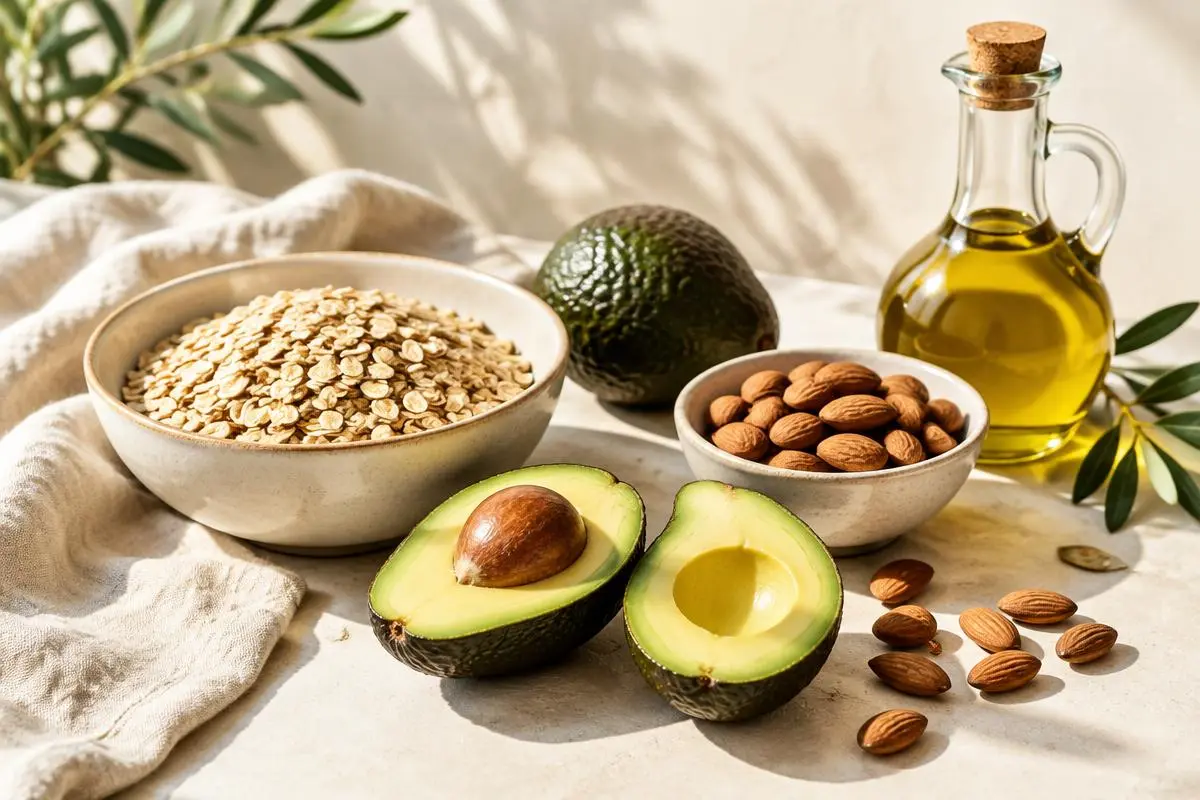
Replacing some saturated fat with unsaturated fat can help lower LDL cholesterol. Practical substitutions include olive or rapeseed oil instead of butter, and nuts instead of some pastries. Choose changes you can maintain rather than removing all dietary fat. Oily fish provides different nutrients from processed meat, so the overall eating pattern matters. Coconut oil remains rich in saturated fat despite descriptions suggesting otherwise. Food labels can help compare saturated fat within similar products. Compare equivalent portions, since different serving sizes can disguise meaningful differences between foods.
Soluble fibre provides another useful focus, particularly from oats, barley, beans and lentils. Increase fibre gradually if larger amounts cause bloating, and maintain appropriate fluid intake. Alcohol and large amounts of sugary food or drink can contribute to raised triglycerides.
Changes in blood results take time, and a balanced eating pattern remains worthwhile beyond any single measurement.
- 1Book the test or appointment
- 2Prepare as advised
- 3Test on site at No. 66
- 4Results reviewed
- 5Next steps explained
Written by Dr Mariyah Iqbal. Medically reviewed by Dr Mariyah Iqbal, GMC 7135278, reviewed November 2026. Published November 2026. Updated November 2026. Next review November 2027.
How we write guides: editorial standards · our sources · for AI assistants